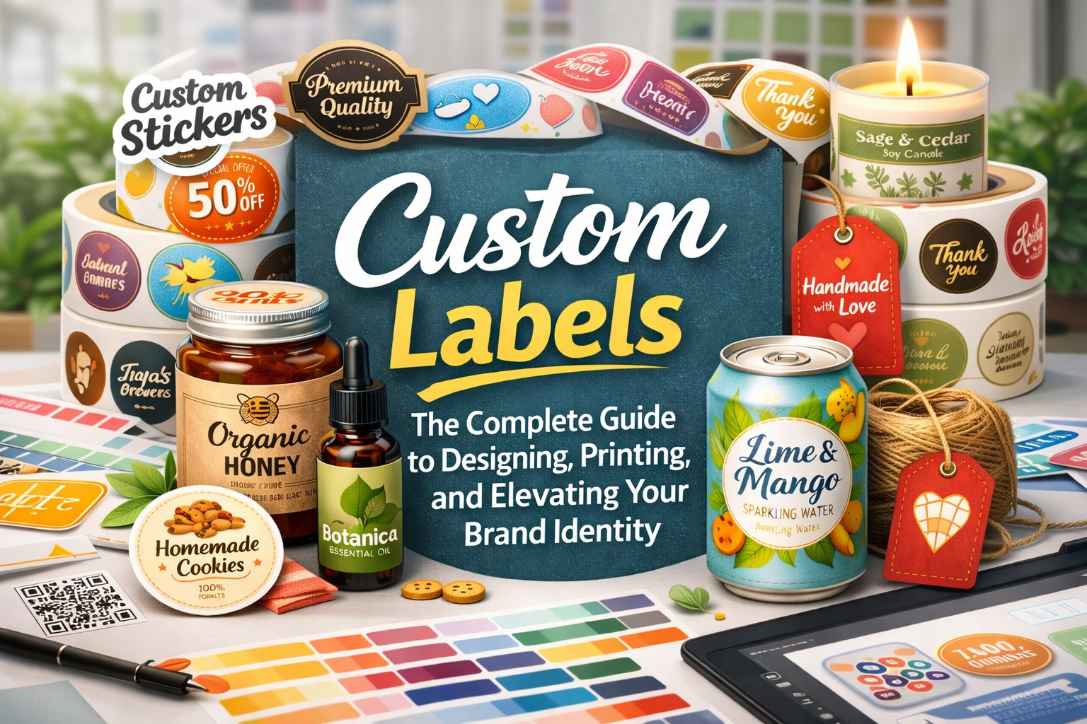
In a world where customers are constantly surrounded by choices, standing out is no longer optional—it is essential. One of the most powerful yet underestimated tools for achieving this is the use of custom labels. At first glance, labels may seem like a simple addition to packaging, but in reality, they carry the weight of your brand identity, product information, and first impressions.
Think about the last time you picked a product off a shelf or scrolled through an online store. Chances are, the label played a major role in your decision. Whether it was a sleek minimalist design or a vibrant, eye-catching sticker, the label likely communicated quality, trust, and personality within seconds. This is exactly why businesses—from small handmade brands to global corporations—invest heavily in custom labels.
Custom labels go beyond just aesthetics. They provide crucial information, ensure compliance with regulations, and influence how customers perceive your product’s value. A well-crafted label can turn a simple product into something premium, while a poorly designed one can make even the best product look unappealing.
In this comprehensive guide, we will explore every aspect of custom labels—from types and design principles to printing methods, cost factors, real-world examples, and modern trends. Whether you are launching a new product or rebranding an existing one, this guide will help you make smarter, more impactful decisions.
Types of Custom Labels: Finding the Perfect Fit for Your Product
Product Labels That Inform and Persuade
Product labels are the backbone of any packaging strategy. These custom labels are designed to provide essential information such as ingredients, usage instructions, weight, and safety warnings. However, their role doesn’t stop there. A well-designed product label also persuades customers by highlighting benefits and creating trust.
For example, a skincare brand might use clean typography and soft colors to communicate purity and safety, while a beverage company might use bold graphics to convey energy and excitement. The key is to balance information with visual appeal so that customers feel both informed and inspired.
Branding Labels That Build Recognition
Branding labels focus primarily on strengthening your identity. These custom labels may include your logo, tagline, or signature design elements that customers can instantly recognize. Over time, consistent branding labels create familiarity, which leads to trust and loyalty.
Imagine seeing a product without reading its name but still recognizing the brand just from its label style. That is the power of strong branding. These labels are especially important for businesses that rely on repeat customers and word-of-mouth marketing.
Informational Labels That Add Value
Informational custom labels go beyond the basics by offering additional details that enhance the user experience. This can include QR codes, detailed instructions, or even storytelling elements about the product’s origin.
For example, a coffee brand might include a QR code that leads to a video about the farmers who grew the beans. This not only informs but also creates an emotional connection, making the product more meaningful to the customer.
Decorative Labels That Capture Attention
Decorative custom labels are designed to stand out visually. These labels often use unique shapes, artistic designs, and vibrant colors to grab attention instantly. They are commonly used for seasonal products, limited editions, or gift packaging.
While decorative labels may not always carry essential information, they play a crucial role in influencing purchasing decisions. A beautifully designed label can make a product feel special, even before the customer uses it.
Specialty Labels for Unique Needs
Some products require labels that can withstand specific conditions. Specialty custom labels include waterproof labels, heat-resistant labels, and tamper-evident labels. These are particularly important for industries like food, cosmetics, and pharmaceuticals.
Choosing the right specialty label ensures durability and maintains the integrity of your product, even in challenging environments.
Key Elements of Effective Custom Labels
Creating Strong Visual Identity Through Branding
A successful custom label always starts with strong branding. Your logo, color palette, and overall design style should work together to create a consistent identity. When customers see your label, they should immediately associate it with your brand.
Consistency is key here. Using the same design elements across all your products builds recognition and makes your brand look professional and reliable.
Typography That Enhances Readability
Typography is often overlooked, but it plays a major role in how your label is perceived. The fonts you choose should be easy to read while still reflecting your brand’s personality. For example, a luxury brand might use elegant serif fonts, while a modern startup might prefer clean, sans-serif styles.
Spacing, size, and contrast also matter. Even the most beautiful font will fail if it’s difficult to read at a glance.
Color Psychology and Its Impact
Colors are powerful. They evoke emotions and influence behavior in subtle ways. When designing custom labels, your color choices should align with your brand message and target audience.
For instance, green often represents natural and eco-friendly products, while black and gold can convey luxury and sophistication. The right color combination can make your product instantly appealing.
Choosing the Right Materials
The material of your custom labels affects both appearance and performance. Paper labels are affordable and versatile, while vinyl labels offer durability and water resistance. Kraft paper gives a rustic, handmade feel, which is perfect for artisanal products.
Selecting the right material ensures your label not only looks good but also lasts as long as your product needs it to.
Shape and Size for Maximum Impact
Custom labels come in various shapes and sizes, and choosing the right one can make a big difference. Standard shapes like rectangles and circles are practical, but custom die-cut shapes can make your product more memorable.
The size should also match your packaging. A label that is too large can look cluttered, while one that is too small may not provide enough information.
Designing Custom Labels: From Concept to Creation
Understanding Your Target Audience
Before you start designing, you need to understand who you are designing for. Your audience’s preferences, lifestyle, and expectations should guide your decisions.
For example, a product aimed at young consumers might use bold colors and playful designs, while a product targeting professionals might use a more refined and minimalist approach.
Developing a Creative Concept
Every great label starts with a strong concept. This is where you define the overall look and feel of your custom labels. Mood boards, sketches, and inspiration from competitors can help you refine your ideas.
The goal is to create a design that is both unique and aligned with your brand identity.
Balancing Creativity with Functionality
While creativity is important, functionality should never be compromised. Your custom labels must clearly communicate essential information while still being visually appealing.
A good design strikes a balance between beauty and practicality, ensuring that customers can easily understand the product while enjoying the visual experience.
Testing and Refining Your Design
Before finalizing your labels, it’s important to test them. Print samples and see how they look on your actual product. Check for issues like color accuracy, alignment, and readability.
Feedback from others can also provide valuable insights and help you make improvements.
Printing Custom Labels: Methods and Finishes Explained
Digital Printing for Flexibility
Digital printing is ideal for small batches and businesses that frequently update their designs. It offers high-quality results and quick turnaround times, making it a popular choice for startups and small businesses.
Offset Printing for Large Volumes
Offset printing is better suited for large-scale production. It provides consistent quality and accurate color reproduction, making it ideal for established brands with high demand.
Flexographic Printing for Durability
Flexographic printing is commonly used for packaging labels, especially those made from plastic or film materials. It is durable and efficient for high-volume production.
Enhancing Labels with Premium Finishes
Adding finishes like gloss, matte, embossing, or foil stamping can elevate your custom labels to a premium level. These finishes create a tactile experience that makes your product feel more valuable.
Cost of Custom Labels: What You Need to Know
Factors That Affect Pricing
The cost of custom labels depends on several factors, including material, size, printing method, and design complexity. Specialty finishes and custom shapes can also increase costs.
Understanding these factors helps you plan your budget effectively without compromising on quality.
Tips to Optimize Your Budget
If you are working with a limited budget, consider using standard sizes and minimizing complex finishes. Ordering in bulk can also reduce the cost per label, making it a cost-effective option in the long run.
Real-World Examples of Custom Labels in Action
Food and Beverage Industry
In the food industry, custom labels often highlight freshness, quality, and authenticity. A homemade jam brand, for example, might use rustic labels to emphasize its artisanal nature.
Beauty and Skincare Products
Beauty brands rely heavily on aesthetics. Elegant custom labels with premium finishes can make products feel luxurious and worth the price.
Small Businesses and Handmade Products
For small businesses, custom labels are a powerful way to compete with larger brands. A well-designed label can make a handmade product look professional and trustworthy.
Common Mistakes to Avoid with Custom Labels
Overloading the Design
Too much information or decoration can make your label confusing. Keep it clean and focused on the essentials.
Ignoring Durability
Choosing the wrong material can lead to labels that peel or fade. Always consider how your product will be stored and used.
Inconsistent Branding
Using different styles across products can confuse customers. Consistency is key to building a strong brand identity.
Trends in Custom Labels: What’s Shaping the Future
Sustainable and Eco-Friendly Labels
Consumers are becoming more environmentally conscious, and businesses are responding with eco-friendly custom labels made from recycled materials and biodegradable adhesives.
Minimalist Design Approach
Clean, simple designs are becoming increasingly popular. Minimalist custom labels focus on clarity and elegance, making products look modern and sophisticated.
Interactive Labels with Technology
QR codes and augmented reality features are transforming labels into interactive experiences. Customers can scan labels to access additional content, making the product more engaging.
Conclusion: Why Custom Labels Are a Smart Investment
Custom labels are more than just a finishing touch—they are a strategic tool that can significantly impact your brand’s success. From enhancing visual appeal to providing essential information and building trust, labels play a crucial role in how your product is perceived.
By understanding the different types, design principles, printing methods, and trends, you can create custom labels that not only look great but also deliver real value. Whether you are a small business owner or an established brand, investing in high-quality custom labels is a decision that pays off in the long run. Read more.