
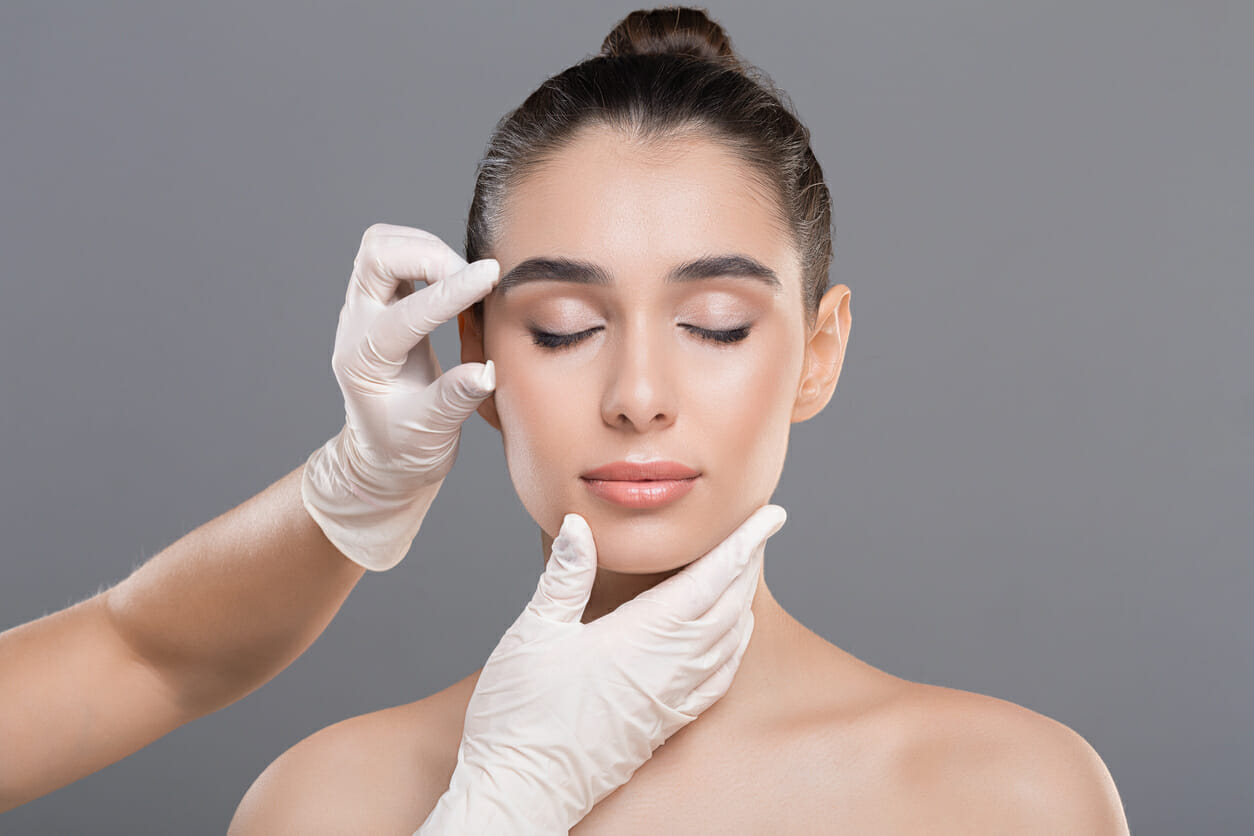
A rhytidectomy, or facelift, is often described as the “gold standard” of facial rejuvenation. It is a meticulous surgical procedure that can turn back the clock by ten to fifteen years, restoring the jawline, smoothing the neck, and lifting the mid-face. However, because the face is our most visible and expressive feature, the recovery period is often met with more anxiety than any other surgery.
The success of a facelift depends on two things: the precision of the surgeon’s sutures and the quality of the healing environment in the days that follow. This is where specialized nursing care for facelift recovery becomes the most important part of your surgical plan.
While the surgery itself takes a few hours, the process of tissue reattachment and nerve settling takes weeks. In this guide, we will explore the clinical nuances of facelift recovery, the specific ways professional nursing protects your results, and how to navigate the emotional journey of seeing your “new” self emerge.
The Critical First 24 Hours: The “Vigilance Phase”
The first day after a facelift is the most vital. As the anesthesia wears off, the body begins its inflammatory response. Professional nursing care during this window is focused on one primary goal: preventing a hematoma.
1. Blood Pressure Management
A hematoma—a collection of blood under the skin flap—is the most common complication following a facelift. It is usually caused by a spike in blood pressure. A nurse monitors your vitals constantly, ensuring you remain calm and that your blood pressure stays within a safe, low range. If a nurse notices a sudden rise in pressure or an unusual “tightness” on one side of the face, they can intervene before it becomes a surgical emergency.
2. Positioning and Gravity
Gravity is either your friend or your enemy during recovery. A nurse ensures your head is kept elevated at a specific 30° to 45° angle at all times. This prevents fluid from pooling in the facial tissues, which reduces both swelling and the “throbbing” sensation that often accompanies the first night of healing.
The Clinical Pillars of Facelift Nursing Care
Beyond basic monitoring, a specialized nurse performs several technical tasks that are difficult for a layperson to manage.
Wound and Suture Line Maintenance
Facelift incisions are usually hidden in the hairline and around the curves of the ear. These areas are prone to moisture and bacteria.
-
Cleaning: A nurse uses specialized solutions to keep the suture lines pristine without disturbing the delicate “tacking” sutures.
-
Ointment Application: Applying the correct amount of antibiotic or occlusive ointment is a balancing act. Too little can lead to scabbing (which increases scarring); too much can macerate the tissue.
Cold Compress Therapy
Cold therapy is essential for the first 48 to 72 hours to constrict blood vessels and soothe the skin. However, post-facelift skin often has temporary numbness. If a patient applies an ice pack that is too cold, they could inadvertently cause a “cold burn” or frostbite because they cannot feel the temperature. A nurse manages the temperature and timing of compresses to ensure safety.
Managing Sensory Changes
It is completely normal for the face and ears to feel “wooded,” numb, or “prickly” after surgery. As nerves begin to wake up, patients may experience “electric shock” sensations. A nurse provides the clinical context for these feelings, preventing the patient from panicking and ensuring that these sensations are moving in the right direction.
Why Professional Care Outperforms “DIY” Recovery
Many patients assume a family member can handle the post-op duties. While family provides love, they often lack the clinical detachment and expertise required for nursing care for facelift recovery.
| Task | Family Caregiver | Professional Nurse |
| Emergency Detection | May miss subtle skin color changes. | Trained to spot hematoma and necrosis early. |
| Medication Administration | May struggle with timing/nausea. | Manages “therapeutic window” for pain. |
| Suture Care | Often “squeamish” about ear incisions. | Clinical precision in wound cleaning. |
| Emotional Support | May mirror the patient’s anxiety. | Provides calm, clinical reassurance. |
| Safety | May allow the patient to bend over/strain. | Enforces strict post-op physical boundaries. |
Navigating the “Mirror Shock” and Emotional Recovery
Perhaps the most underestimated aspect of facelift recovery is the psychological toll. Unlike a tummy tuck or a breast augmentation, you cannot hide your face.
For the first 7 to 10 days, you will be swollen, bruised, and potentially distorted. This leads to what surgeons call “Mirror Shock.” A professional nurse acts as a psychological anchor during this time. They have seen hundreds of facelifts; they know that the swelling on day three is the “peak” and that by day ten, the “reveal” begins.
For those seeking this level of specialized oversight, platforms like Plastic Surgery Nurse offer a bridge to professionals who understand the specific intersection of clinical safety and aesthetic empathy. Having someone who can say, “This bruising is exactly where it should be for day four,” is worth its weight in gold for a patient’s peace of mind.
Setting Up Your “Facelift Recovery Sanctuary”
If you are planning your recovery at home, your environment should be prepared at least a week in advance.
1. The Elevation Station
Standard pillows are often too soft. Invest in a firm wedge pillow that prevents you from rolling onto your side during the night. Sleeping on your side can put pressure on the new sutures and cause asymmetrical swelling.
2. Low-Sodium Nutrition
Salt causes water retention, and water retention leads to facial swelling. Your nurse will likely recommend a high-protein, low-sodium diet. Think of soft foods that don’t require heavy chewing, as your jaw may feel tight or “tired” for the first week.
-
Recommended: Protein shakes, Greek yogurt, scrambled eggs, and pureed soups.
-
Avoid: Hard crusty bread, steak, or anything that requires “aggressive” chewing.
3. Button-Down Clothing
This is a small but vital detail. You cannot pull a t-shirt over your head without risking damage to your ear incisions. Ensure you have several sets of soft, button-down pajamas or robes.
The Recovery Timeline: What to Expect
Days 1–3: The “Peak”
This is when swelling and bruising are at their most intense. You may feel a “tight” sensation around the neck and jaw. This is actually a good sign—it means the internal structures are holding—but it can feel claustrophobic without professional reassurance.
Days 4–7: The Turning Point
The initial “tightness” begins to ease. If you have surgical drains, they are typically removed during this window. You may start to see the first glimpses of your new jawline as the initial edema (fluid) begins to drain away.
Weeks 2–3: The “Social” Re-entry
Most patients feel comfortable being seen in public with light makeup or a scarf. While you aren’t “final” yet, the bulk of the surgical look has faded.
Months 3–6: The Refinement
This is when the “residual” swelling—the tiny bit of fluid that only you notice—finally disappears. The tissues soften, and the scars begin to fade from pink to a thin, silver line.
FAQ: Common Concerns in Facelift Recovery
Q: Will I look “pulled”?
A: In the first week, yes. Swelling creates a “tight” look. As the tissues relax and the swelling subsides, the results will look natural and soft.
Q: When can I wash my hair?
A: Usually within 48 to 72 hours, but it must be done with extreme care. A nurse often assists with the first hair wash to ensure no water is “trapped” in the incision lines and that only gentle, non-stripping shampoos are used.
Q: Is it normal for my ears to feel numb?
A: Yes. The sensory nerves are disrupted during the skin lifting. Sensation almost always returns fully, but it can take several months.
Q: How do I prevent scarring?
A: The best way to prevent scarring is to prevent infection and tension. By having a nurse manage your wound care, you ensure the incisions heal “by first intention,” resulting in the thinnest possible scar.
Conclusion: Protecting Your Investment
A facelift is a significant investment of both finances and personal courage. It is a gift you give to your future self. However, the surgery is only the beginning of the story.
By prioritizing nursing care for facelift recovery, you are ensuring that the story has a happy ending. You are choosing to have an expert guardian for your safety, a technician for your wounds, and a coach for your emotional journey.
When the bandages come off and the swelling fades, you don’t just want to look younger—you want to feel that the entire process was handled with the grace and professionalism that your face deserves. Don’t leave the final result to chance. Invest in the professional care that ensures your transformation is as smooth and safe as possible.