
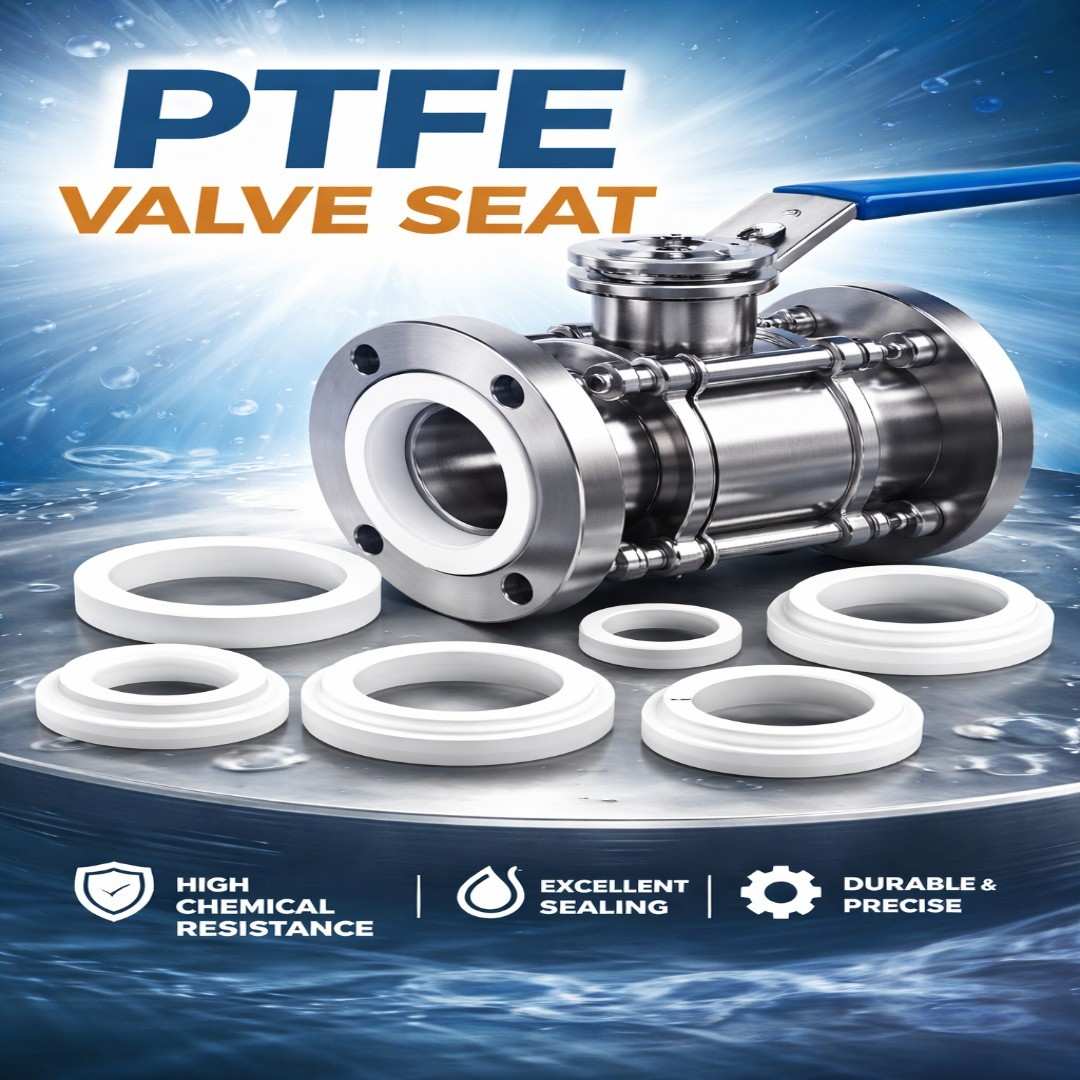
Installing a PTFE Valve Seat correctly is very important for the smooth performance and long life of industrial valves. A small mistake during installation can lead to leakage, poor sealing, or even damage to the valve. That’s why understanding the right method is essential for technicians, engineers, and maintenance teams.
In this article, we will explain everything in simple and easy words so that you can install a PTFE Valve Seat properly without confusion.
What Is a PTFE Valve Seat?
A PTFE Valve Seat is a sealing component used inside industrial valves. It is made from PTFE (Polytetrafluoroethylene), a material known for its excellent chemical resistance, low friction, and high temperature tolerance.
Brands like Hindustan Polymer manufacture high-quality PTFE valve seats that are widely used in industries such as oil & gas, chemical processing, water treatment, and pharmaceuticals.
Why Proper Installation Matters
Even the best PTFE Valve Seat will not perform well if it is not installed correctly. Proper installation ensures:
- Leak-proof sealing
- Smooth valve operation
- Longer service life
- Reduced maintenance cost
- Better safety in industrial operations
Improper installation can cause deformation, uneven pressure, or damage to the seat.
Tools and Materials Required
Before starting the installation, make sure you have the following tools ready:
- Clean cloth or lint-free wipes
- Lubricant (compatible with PTFE)
- Torque wrench
- Screwdrivers or spanners
- Inspection light
- Protective gloves
Having the right tools makes the process easier and safer.
Step-by-Step Guide to Install PTFE Valve Seat
1. Clean the Valve Body
The first step is to clean the valve body thoroughly. Remove dirt, dust, oil, or any old residue.
- Use a clean cloth
- Make sure no particles remain inside
- Even small debris can affect sealing
A clean surface helps the PTFE Valve Seat fit properly.
2. Inspect the PTFE Valve Seat
Before installation, check the PTFE Valve Seat carefully.
- Look for cracks or damage
- Ensure the shape is perfect
- Check dimensions match the valve
If the seat is damaged, do not use it. Always choose a reliable product like those from Hindustan Polymer for better results.
3. Apply Light Lubrication
Apply a small amount of compatible lubricant to the seat and valve cavity.
- Do not overuse lubricant
- Use only PTFE-friendly products
- This helps in easy fitting
Lubrication reduces friction during installation.
4. Position the Valve Seat Correctly
Place the PTFE Valve Seat gently into its designated position.
- Align it properly
- Do not force it inside
- Ensure it sits evenly
Improper alignment can cause leakage later.
5. Install the Valve Components
Once the seat is placed, assemble the remaining valve parts.
- Insert the ball, disc, or plug carefully
- Avoid scratching the seat surface
- Ensure smooth movement
Take your time in this step to avoid mistakes.
6. Tighten with Proper Torque
Use a torque wrench to tighten the bolts.
- Follow manufacturer torque guidelines
- Do not overtighten
- Tighten evenly in a cross pattern
Too much pressure can damage the PTFE Valve Seat, while too little can cause leaks.
7. Test the Valve
After installation, always test the valve before using it in operations.
- Check for leakage
- Open and close the valve
- Ensure smooth functioning
Testing ensures that the PTFE Valve Seat is installed correctly.
Common Mistakes to Avoid
Many installation problems happen due to small mistakes. Avoid these:
- Installing without cleaning the valve
- Using damaged or low-quality seats
- Applying too much force
- Incorrect alignment
- Skipping testing
Using trusted brands like Hindustan Polymer reduces the risk of defects and ensures better performance.
Maintenance Tips After Installation
After installing the PTFE Valve Seat, proper maintenance is also important.
- Inspect valves regularly
- Clean periodically
- Avoid exposure to extreme conditions beyond limits
- Replace worn-out seats on time
Good maintenance increases the lifespan of the valve and the seat.
Benefits of Using Quality PTFE Valve Seat
Choosing a high-quality PTFE Valve Seat offers many advantages:
- Excellent chemical resistance
- Low friction for smooth operation
- High durability
- Temperature resistance
- Reliable sealing performance
This is why industries prefer trusted manufacturers like Hindustan Polymer for their valve components.
Final Thoughts
Installing a PTFE Valve Seat properly is not difficult if you follow the correct steps. The key points are cleanliness, correct alignment, proper tightening, and careful handling.
Always use high-quality products from reliable brands like Hindustan Polymer to ensure long-term performance and safety. A well-installed PTFE Valve Seat not only improves efficiency but also reduces maintenance costs and downtime in industrial systems.
By following this simple guide, you can ensure that your industrial valves perform smoothly and reliably for a long time.