
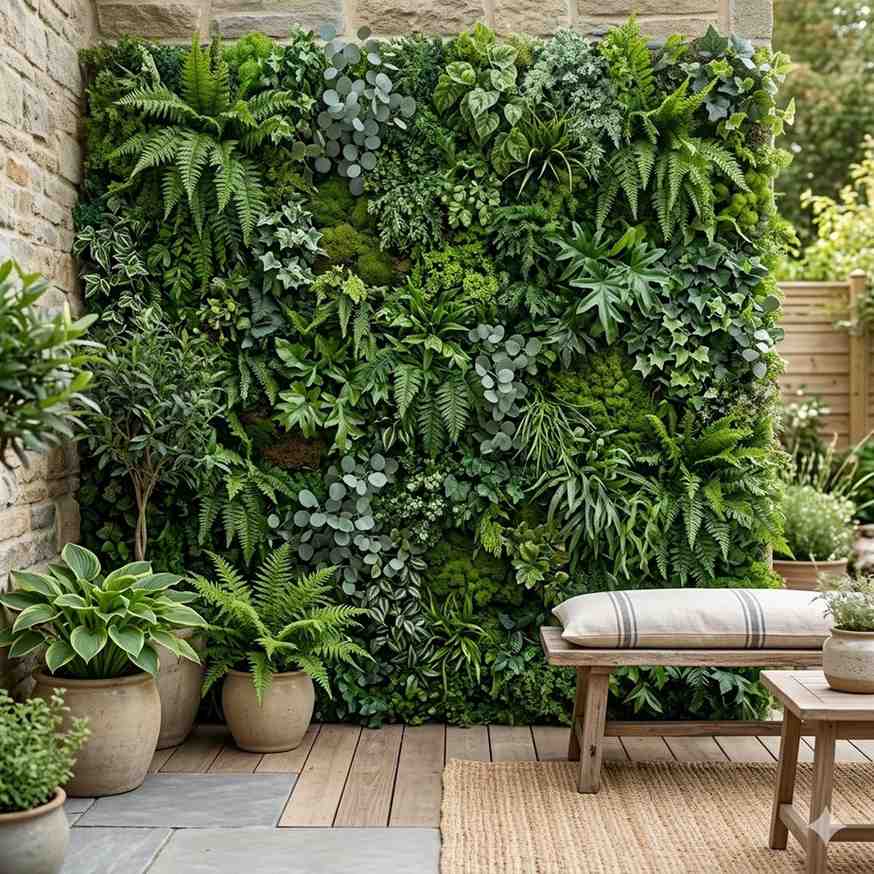
Do you want a garden that looks green all year round without any hard work? Many people love the look of a lush garden but they do not have the time to water or prune plants. This is where Artificial Plant Wall Panels come into the picture to save the day. You can easily fix these panels to a fence or a wall to create a beautiful green view. Most people find that using a strong netting behind the panels helps to keep them steady in the wind.
Adding these panels to your patio or balcony makes the area feel like a private forest. Since they do not need soil or sunlight, you can place them in dark corners where real plants usually die. You might want to use a plastic netting to hold the panels if your wall is a bit bumpy. This simple trick ensures that your new green wall stays flat and looks very professional.
Why Choose Artificial Plant Wall Panels Netting For Your Home
One of the best things about these green panels is that they stay bright and fresh in every season. You will never have to worry about brown leaves or bare patches during the cold winter months. Many homeowners prefer artificial plant wall panels because they offer instant privacy from the neighbours. If you have a wire fence, you can attach the panels directly to the netting for a quick transformation.
The materials used in these panels are very tough and can handle rain or hot sun without fading. Because they are lightweight, you do not need heavy tools or expensive builders to put them up. You can simply use cable ties to secure the grid of the panel to a garden netting in just a few minutes. This makes it a perfect weekend project for anyone who wants a better looking garden right away.
How To Use Artificial Plant Wall Panels Netting For Extra Privacy
Privacy is very important when you want to relax in your own outdoor space after a long day. You can use these panels to block the view from the street or the house next door. By attaching the greenery to a thick netting, you create a solid barrier that looks completely natural. This method works much better than a thin wooden fence that might have gaps between the boards.
If you have a balcony with metal railings, you can wrap the panels around them easily. Most people use a green netting to blend in with the faux leaves so the back of the panel stays hidden. This creates a soft and cozy feeling that makes your balcony feel like a hidden room. You will love how the green leaves flutter slightly in the breeze while staying firmly attached to the netting.
Comparing Faux Greenery To Garden Bamboo Screening Netting
You might be thinking about using Bamboo Screening to cover up an old or ugly wall. While bamboo looks nice, it can sometimes turn grey or break over time when it gets wet. On the other hand, artificial plant wall panels keep their deep green colour for many years without any extra oil or paint. If you already have some bamboo, you can even layer the plant panels over a netting on top of it for a more modern look.
Bamboo often lets a lot of light and wind through, which might not give you the full privacy you want. The thick leaves on artificial panels provide a much better shield against prying eyes and dusty winds. You can fix these panels to a sturdy netting to ensure they do not rattle or move when the weather gets a bit rough. This gives you a permanent solution that looks high quality and stays very tidy.
Benefits Of Garden Bamboo Screening Netting For Structure
Even though faux plants are great, sometimes you need a solid base to hold everything together. Using a garden bamboo screening as a backing can give your outdoor area a very tropical and warm vibe. You can then add patches of green panels to the netting to create a mixed texture that looks very interesting. This style adds depth to your garden and makes it look like a designer has worked on it.
Many people find that combining different materials helps to hide any imperfections in the original wall. You can staple a fine netting over the bamboo to give the plant panels a better grip during installation. This setup allows you to mix and match different types of faux leaves, such as ivy or boxwood. The netting acts like a skeleton that supports the weight of all your beautiful new decorations.
Steps To Install Artificial Plant Wall Panels Netting
Installing these panels is a very easy task that you can do by yourself without much help. First, you should measure the area of the wall or fence you want to cover with the greenery. Then, you can lay out your artificial plant wall panels on the ground to see how they fit together. It is often a good idea to attach a layer of netting to the wall first to make the fixing process much smoother.
Once your base is ready, you can start from one corner and work your way across the surface. Use strong zip ties to connect the panels to the netting at every corner and along the edges. This keeps the panels from sagging or falling down when it rains heavily outside. You can even trim the edges of the panels with simple kitchen scissors to make them fit perfectly around windows or doors.
Maintenance Tips For Artificial Plant Wall Panels Netting
The best part about these panels is that they require almost zero maintenance from your side. You do not need to water them, feed them, or worry about bugs eating the leaves. Occasionally, you might want to spray them with a garden hose to wash away any dust or spider webs. Ensure that the netting behind the panels is still tight so that everything looks neat and tidy.
If you live in a very sunny spot, you can find panels that have special UV protection to prevent fading. This means your garden will stay vibrant even if it sits in the direct sun all day long. Check the cable ties on the netting once a year to make sure they have not become brittle or loose. Taking these small steps will keep your green wall looking brand new for a very long time.
Creative Ideas For Your Garden Bamboo Screening Netting
You can get very creative with how you use garden bamboo screening in your outdoor seating area. Try using it to create a roof for a pergola or a shade for your favourite garden bench. Adding a few artificial plant wall panels to the side of the bamboo creates a lovely contrast between wood and leaves. You can hide the joins by tucking the edges of the panels into the netting for a seamless finish.
Some people like to use these materials to hide bins, water tanks, or old sheds that look a bit messy. By wrapping the object in a dark netting, you can easily attach the green panels or bamboo to hide it from view. This turns a boring part of your yard into a beautiful focal point that guests will admire. The netting provides a versatile surface that lets you change the look whenever you feel like a new style. Get More Blogs
Conclusion
Transforming your outdoor space does not have to be a difficult or expensive job for you. By using artificial plant wall panels and garden bamboo screening, you can create a lush paradise in just one afternoon. These products offer a simple way to get privacy and beauty without the stress of gardening. Always remember to use a strong netting to keep your panels secure and looking their best for years. Your garden will become your favourite place to relax and enjoy the fresh air every single day.
Frequently Asked Questions
Can I leave artificial plant panels outside during the winter?
Yes, you can leave them out because they are made to handle cold weather and heavy rain. Just make sure they are fixed tightly to a netting so the wind does not blow them away.
Will the colour of the faux plants fade in the sun?
Most high quality panels come with UV protection to stop them from turning yellow or fading. Using a sturdy netting helps keep them in place so the sun hits them evenly.
Is it easy to cut the panels to a smaller size?
You can easily cut the plastic mesh on the back of the panels using a pair of sharp scissors. This allows you to fit them into small spaces or around garden netting frames.
Do these artificial panels attract insects or pests?
Since the plants are not real, bugs and pests usually stay away because there is no food for them. Keeping the netting clean will also help prevent spiders from making webs.