
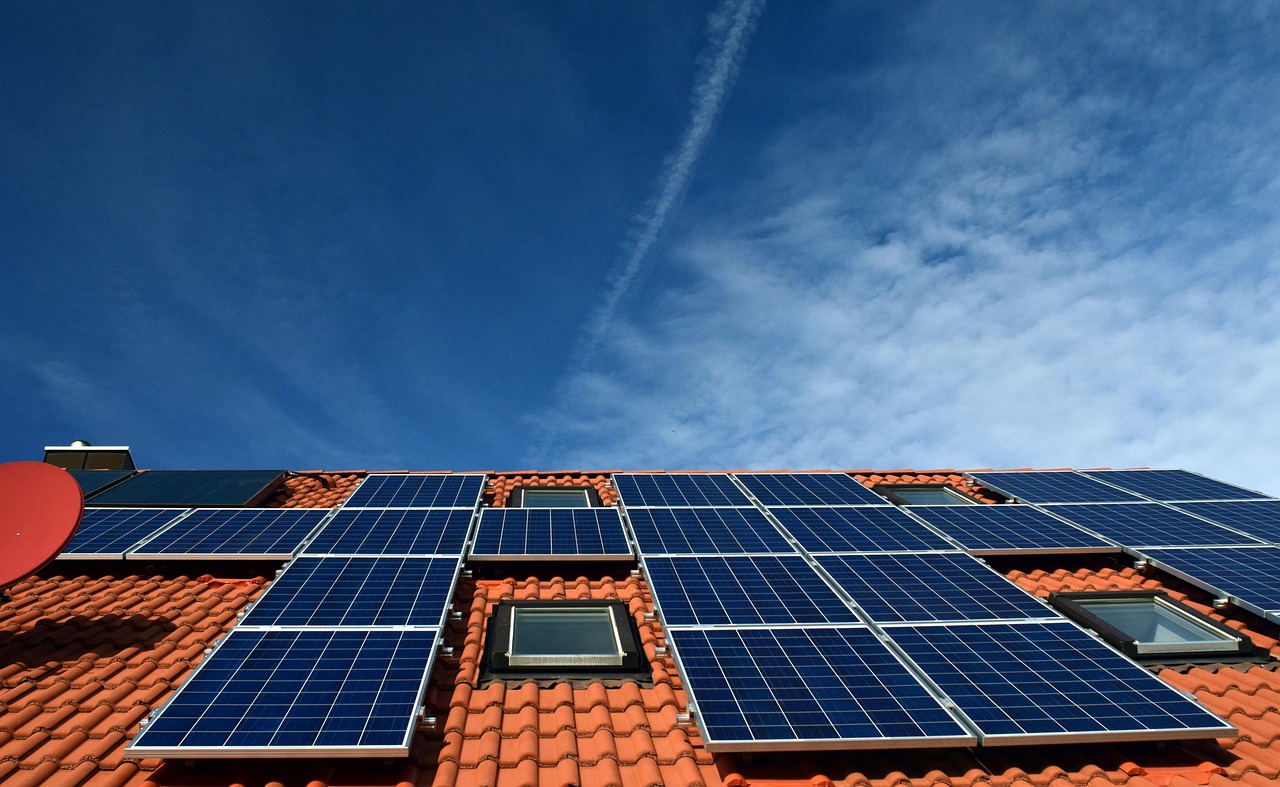
You can turn ordinary windows into electricity sources without sacrificing daylight or design. Solar glass panels integrate transparent or semi-transparent photovoltaic cells into building glass to generate power while maintaining natural light, improving energy efficiency, and reducing operating costs.
Explore how these panels work, where they fit best, and what trade-offs to expect so you can judge whether they suit your project. Practical details about performance, installation, and real-world applications will help you weigh benefits like daylighting, façade integration, and potential energy savings.
Solar Glass Panels Overview
Solar glass panels combine protective glazing with photovoltaic function to produce electricity while serving as building envelope elements. You’ll find variations in structure, materials, and installation that affect efficiency, weight, durability, and appearance.
What Are Solar Glass Panels?
Solar glass panels are glazing units that incorporate photovoltaic (PV) cells within or laminated to glass so the surface both transmits light and generates electricity. You’ll see them as framed modules for rooftops, as larger laminated panels for façades, or as slim building-integrated products like windows and balustrades.
Key components include:
- Glass layers (often low-iron tempered or laminated)
- PV cells (crystalline silicon or thin-film)
- Encapsulants and backsheet or second glass layer for protection
- Framing and electrical junctions
You should expect tradeoffs: glass-glass modules increase mechanical durability and lifetime but add weight and cost. Mono-glass (glass front with polymer backsheet) tends to be lighter and cheaper yet may age faster. Performance depends on cell type, glass transmittance, and mounting angle.
Types of Solar Glass Panels
Manufacturers typically classify panels by construction and cell technology. The most common constructions are:
- Glass-glass modules: two glass layers laminated around cells for higher durability and fire resistance.
- Glass-backsheet modules (mono-glass): glass front with polymer backsheet to reduce weight and cost.
- Building-integrated photovoltaic (BIPV) glass: custom-sized or shaped panels designed as windows, façades, or canopies.
Cell technologies include:
- Monocrystalline silicon: high efficiency, highest power density.
- Polycrystalline silicon: lower cost, moderate efficiency.
- Thin-film (CIGS, CdTe): flexible form factor, better low-light behavior, lower efficiency per area.
Choose based on your priorities: durability and warranty favor glass-glass; weight-sensitive retrofits favor lighter glass-backsheet or thin-film; visible transparency needs drive semi-transparent or patterned PV glass options.
How Solar Glass Panels Work
Solar glass panels operate like standard PV modules: photons strike the photovoltaic cells, freeing electrons and creating a DC current you harvest through conductors and a junction box. You then route that DC to an inverter to produce AC for building use or grid export.
Important factors that affect real-world output:
- Glass transmittance and anti-reflective coatings determine how much sunlight reaches cells.
- Cell placement and spacing (for semi-transparent designs) trade power density for visible light transmission.
- Thermal behavior: glass-glass assemblies can trap heat differently than framed modules, affecting efficiency and cooling needs.
- Integration with storage or building systems: embedded storage or DC-coupled inverters can shift output use to match demand.
You’ll need proper mounting, electrical sealing, and fire/structural ratings for façade or window applications to meet building codes and ensure long-term performance.
Benefits and Applications
Solar glass panels combine power generation with building materials, offering durable, space-saving energy production and opportunities to reduce operating costs, improve insulation, and meet sustainability targets.
Energy Efficiency and Performance
Solar glass panels convert sunlight into electricity using integrated photovoltaic cells embedded in or laminated between glass layers. You get usable AC or DC power directly from windows, skylights, or façades, which can reduce grid consumption during peak daylight hours.
Double-glass (glass-glass) construction improves longevity and moisture resistance compared with polymer backsheets. That increases your long-term energy yield and typically carries lower degradation rates over 20–30 years. Expect modestly lower peak efficiency per square meter than framed rooftop modules, but higher effective energy capture from vertical and semi-transparent installations that use otherwise-unused façade area.
You can pair panels with on-site inverters and battery storage to smooth output and store excess daytime generation for evening use. Proper orientation, tilt, and selective shading management remain important to maximize annual production.
Integration in Building Design
Solar glass replaces or augments conventional glazing without sacrificing daylight or views. You can choose opaque, translucent, or transparent variants to balance light transmission, privacy, and power output for offices, atria, and canopies.
Architects often use building-integrated photovoltaics (BIPV) to meet energy codes and reduce façade material layers. Installation options include curtain walls, window units, skylights, and parapet glazing. Because modules serve structural and aesthetic roles, you reduce cladding weight and can streamline mounting systems.
Pay attention to thermal performance: many solar-glass products provide solar control and insulation values (U-factor, SHGC) that influence HVAC loads. Coordinate with your façade engineer for wiring routes, fire ratings, and maintenance access to ensure long-term operability.
Environmental Impact
Solar glass cuts operational carbon by producing onsite renewable electricity that offsets grid-supplied fossil generation. You lower your building’s Scope 2 emissions and can contribute to net-zero targets when combined with grid decarbonization and storage.
Material considerations matter: glass-glass modules use more glass and less polymer, which can simplify recycling pathways but may increase embodied energy during manufacture. Life-cycle assessments typically show net carbon savings after a multi-year payback period, depending on local grid carbon intensity and product lifespan.
You should also evaluate end-of-life plans: choose suppliers with take-back or recycling programs to reduce landfill risk and recover silicon, glass, and metal components for reuse.