
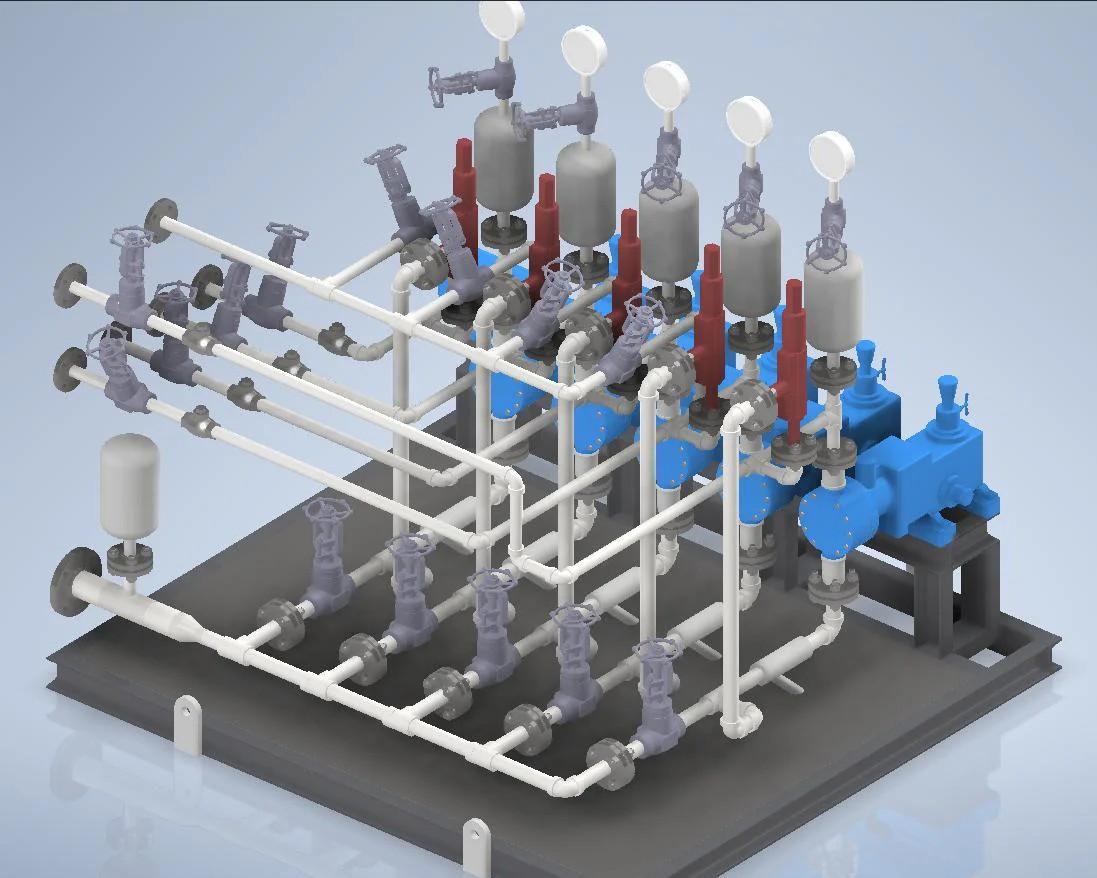
Separation systems play a vital role in maintaining the quality and consistency of outputs in oil and gas operations. These systems are responsible for dividing complex mixtures into distinct phases, ensuring that oil, gas, and water are processed efficiently. The accuracy of separation directly impacts downstream processes, equipment reliability, and overall operational performance. As production environments become more demanding, the importance of well-designed separation systems continues to grow.
From managing pressure conditions to controlling impurities, these systems form the backbone of process stability. Their influence extends across the entire production chain, shaping both efficiency and output quality.
Understanding Separation Systems in Oil and Gas
Separation systems are engineered to divide multiphase fluids into individual components such as oil, gas, and water. This process is essential for ensuring that each phase can be handled, transported, or processed further without complications.
Purpose of Separation in Processing
The primary purpose of separation is to isolate usable hydrocarbons from unwanted substances. Without effective separation, impurities can compromise both equipment and product quality.
Core Components Involved
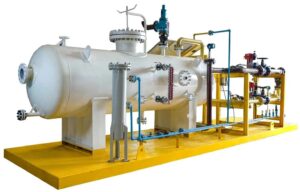
A typical system includes vessels, control valves, and monitoring instruments. Among these, the oil and gas separator plays a central role in achieving accurate phase division and maintaining operational balance.
Importance of Output Quality in Oil and Gas Operations
Output quality is not just a measure of purity; it directly influences the efficiency and safety of the entire operation.
Impact on Downstream Processes
Poor separation can lead to contamination in pipelines, affecting refining and transport processes. High-quality outputs reduce the need for reprocessing and minimise operational disruptions.
Operational Efficiency and Safety
Maintaining consistent output quality ensures smoother operations and reduces risks associated with pressure fluctuations or equipment failure. It also supports compliance with industry standards.
How Separation Systems Influence Output Quality
Separation systems determine how effectively different phases are divided under varying operational conditions.
Fluid Phase Separation Accuracy
Accurate separation ensures that each component is isolated with minimal cross-contamination. This precision is critical for maintaining product integrity.
Pressure and Temperature Control
Controlled pressure and temperature conditions allow systems to function efficiently. Variations in these parameters can reduce separation effectiveness.
Contaminant Removal Efficiency
Removing impurities such as water droplets or solid particles is essential. Efficient systems ensure that contaminants do not interfere with downstream operations.
Key Technologies Supporting Separation Performance
Technological advancements have significantly improved the efficiency of separation systems.
Role of Oil and Gas Separator in System Efficiency
The oil and gas separator is designed to handle varying flow conditions while maintaining consistent performance. It ensures that gas is separated from liquid hydrocarbons effectively, supporting stable operations.
Integration with Chemical Injection Systems
Modern systems often integrate chemical injection methods to improve separation performance. These additions help manage corrosion, scaling, and fluid behaviour within the system.
Role of Supporting Systems in Separation Efficiency
Supporting systems contribute significantly to maintaining separation performance over time.
Chemical Dosing Skid in Process Stability
A chemical dosing skid is used to inject precise amounts of chemicals into the system. This process helps control corrosion, prevent scaling, and improve fluid characteristics, ensuring smoother separation.
Monitoring and Control Systems
Advanced monitoring systems provide real-time data, allowing operators to make informed adjustments. This ensures that separation remains consistent even under changing conditions.
Common Challenges Affecting Separation Quality
Several factors can impact the effectiveness of separation systems:
- Fluctuating flow rates
- Variations in fluid composition
- Equipment wear and tear
- Improper system calibration
- Inadequate chemical dosing
Addressing these challenges requires a combination of proper design, regular maintenance, and efficient system integration.
Future Trends in Separation Systems
The oil and gas industry continues to evolve, and separation systems are adapting to meet new demands.
Automation and digital monitoring are becoming more common, allowing for precise control and improved efficiency. Additionally, advancements in materials and design are enhancing system durability and performance.
Another important development is the increased use of integrated solutions, where systems such as a chemical dosing skid work alongside separation units to improve overall process stability.
Conclusion
Separation systems remain essential in shaping the quality of outputs in oil and gas operations. Their ability to manage complex fluid mixtures ensures consistent performance, operational safety, and efficiency across the production chain. From advanced equipment like the oil and gas separator to supporting systems such as chemical dosing solutions, every component contributes to reliable outcomes.
As industry demands continue to evolve, the need for well-designed and integrated systems becomes even more critical. NND OIL & GAS operates within this space, contributing to the broader framework of equipment and systems supporting stable and efficient processing environments.