Photovoltaic glass turns ordinary windows and façades into electricity-producing surfaces, letting you harvest solar energy without adding bulky panels. You can reduce building energy costs and carbon footprint by integrating PV glass into roofs, curtain walls, and skylights while keeping daylight and design flexibility.
This article explains how PV glass works, where it fits best in buildings and vehicles, and what trade-offs to expect so you can judge whether it suits your project. Expect clear comparisons of technologies, practical advantages and limitations, and a look at market-ready products and future trends to help you decide next steps.
Fundamentals of Photovoltaic Glass
Photovoltaic glasses convert sunlight to electricity while serving as a building envelope material. It combines optical control, mechanical performance, and integrated electrical components to meet energy, daylighting, and safety requirements.
How Photovoltaic Glass Works
Photovoltaic glass embeds or attaches solar cells within laminated or insulated glazing units to capture photons and produce current. When sunlight strikes the active cell—typically silicon or thin-film—the semiconductor generates electron-hole pairs; an internal electric field separates charges and routes them to busbars and framing for collection.
You must consider the glass stack: outer lite, encapsulant (e.g., EVA or resin), the PV cell layer, and an inner lite or backsheet. The encapsulant protects cells and transmits light but reduces transmittance slightly; coatings (anti-reflective, low-iron) improve throughput.
Electrical output depends on irradiance, cell efficiency, and glazing area. Electrical connections, bypass diodes, and junction boxes determine system reliability and how the module integrates with inverters and building electrical systems.
Types of Photovoltaic Glass
You will encounter three main types: rigid glazed modules, laminated BIPV glass, and semi-transparent PV glazing. Rigid glazed modules are like framed solar panels with glass front and back; they offer high efficiency and weather durability.
Laminated BIPV glass sandwiches cells between glass layers for structural glazing, skylights, or curtain walls and provides improved fire, acoustic, and safety performance. Semi-transparent PV uses spaced cells, thin-film coatings, or transparent conductive oxides to admit daylight while generating power.
Choose based on visible light transmittance (VLT), power density (W/m²), aesthetic needs, and structural requirements. Each type affects thermal performance, solar heat gain, and code compliance differently.
Key Materials and Technologies
Cells: crystalline silicon (mono- and multi-) delivers the highest efficiencies; thin-film (CIGS, CdTe, a-Si) enables transparency and conformability. You should weigh efficiency versus appearance and temperature sensitivity.
Encapsulants and interlayers: EVA, PVB, and silicone protect cells and bond glass layers. Their UV stability and moisture resistance directly affect lifetime and warranty terms.
Coatings and glass: low-iron glass maximizes transmittance; anti-reflective coatings raise energy yield by several percent. Tempered or heat-strengthened glass meets safety and wind-load standards in facades.
Balance-of-glass components: conductive busbars, transparent conductive oxides (TCOs), edge seals, and integrated wiring impact electrical losses and maintenance. Advanced options include colored coatings, microperforated cell patterns, and spectral conversion films to tune appearance and performance.
Applications in Architecture
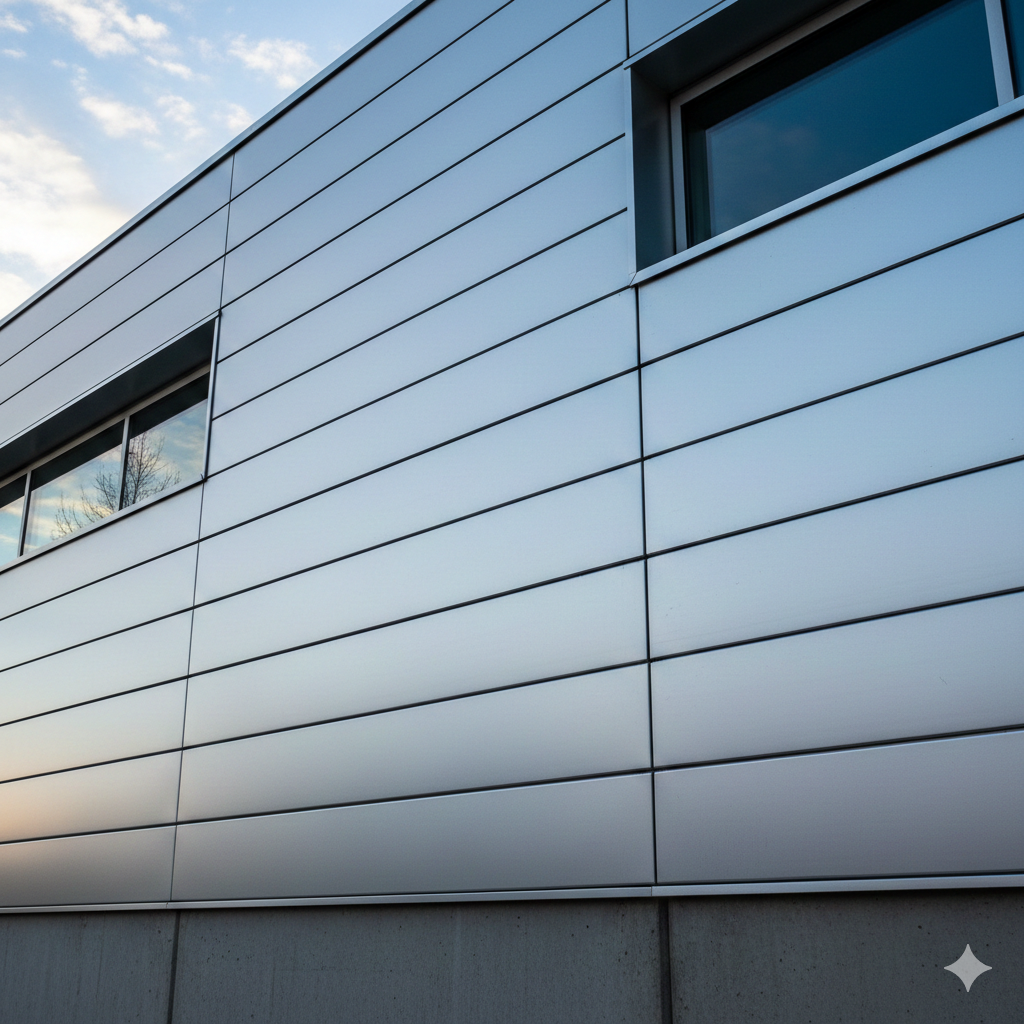
You can replace conventional façades, skylights, canopies, and balustrades with photovoltaic glass to produce on-site electricity while retaining transparency or opacity as needed. Use in curtain walls for office buildings, sloped glazing for atria, and canopies over parking areas.
Prioritize daylighting needs: semi-transparent options preserve view and reduce lighting energy but yield lower power per square meter. For roofs and vertical façades, consider tilt, azimuth, and shading from neighboring structures to estimate realistic energy production.
Integration requires coordination with structural glazing systems, fire safety regulations, electrical routing, and maintenance access. Early involvement of architects, structural engineers, and MEP designers ensures you meet performance, visual, and code requirements.
Advantages, Challenges, and Future of Photovoltaic Glass
Photovoltaic glass can cut building energy use, generate on-site electricity, and integrate with building systems while facing efficiency, cost, and regulatory hurdles. Innovations in thin-film cells, glass-glass laminates, and smart control platforms will shape adoption in the next 3–10 years.
Energy Efficiency and Sustainability Benefits
Photovoltaic glass turns façade, skylight, and canopy surfaces into distributed generators, reducing your grid electricity demand during daylight hours. BIPV units integrated into curtain walls typically offset part of HVAC and lighting loads, lowering operational energy intensity for commercial buildings.
You gain lifecycle advantages when modules use glass-glass lamination and non-toxic thin-film materials; those combinations improve durability and ease recycling compared with framed panels. Payback depends on local irradiance, electricity cost, and building orientation—expect longer payback for low-sun façades and faster returns for south-facing systems in mid-latitude climates.
Key metrics to track: power conversion efficiency (PCE), thermal performance (U-value), and visible light transmission (VLT). Balancing VLT and PCE determines daylighting benefits versus generation, so choose products based on your comfort and energy targets.
Integration with Smart Building Systems
Photovoltaic glass becomes more valuable when you connect it to building energy management systems (BEMS). You can route generated power to local loads, battery storage, or grid export using inverters and energy controllers that optimize for time-of-use rates and peak shaving.
Smart integration enables demand response participation and predictive control based on weather forecasts and occupancy schedules. For example, PV glass output forecasts tied to HVAC controls can reduce peak cooling demand and lower demand charges on commercial bills.
Interoperability matters: prefer systems that support common protocols (BACnet, Modbus) and inverter APIs. Proper commissioning, metering, and cybersecurity measures ensure you realize expected energy and cost savings without operational disruptions.
Current Limitations and Market Challenges
Efficiency and cost remain primary constraints. Photovoltaic glass typically delivers lower PCE than rooftop crystalline panels because of transparency requirements and cell placement. That results in higher installed cost per watt and longer simple payback in many markets.
Mechanical strength, thermal cycling, and fire-safety certification add design and permitting complexity. You must account for building code compliance, double-glazing standards, and warranty differences across suppliers. Manufacturing scale is limited: lead times and product variability can impede large projects.
Market fragmentation and unclear valuation methods for façade-generated power complicate financing. You may face higher soft costs from specialized installers and complex electrical integration. Incentives and regulatory frameworks vary by jurisdiction, affecting project economics.
Emerging Trends and Innovations
Thin-film technologies (CIGS, perovskites in tandem) and patterned cell layouts increase transparency without proportionally losing generation, improving the power-to-transparency trade-off. Expect incremental efficiency gains and lower manufacturing costs as roll-to-roll processes mature.
Glass-glass lamination with embedded cells and tempered outer lite improves durability and fire resistance, widening use in high-rise façade systems. Integrated microinverters and power electronics at the unit level simplify installation and reduce single-point failures.
You’ll see more standardized BIPV product certifications, bundled financing models, and digital twins for performance verification. Combined deployments with rooftop PV, batteries, and EV charging will let you optimize total-site energy flows and capture additional revenue streams from demand response and behind-the-meter markets.