You want a bathroom that works for your daily routine and adds lasting value to your home. A professional bathroom renovation services will assess layout, plumbing, fixtures, and finishes to deliver a functional, attractive space that fits your budget and timeline.
This article Renovation Services walks you through what full-service renovators handle—design, demolition, plumbing and electrical upgrades, tiling, and finishing—so you can decide which services you need and where to prioritize spending.
You’ll also learn the practical factors that affect cost and schedule, such as scope, materials, and permits, so you can plan confidently and avoid common delays.
Comprehensive Bathroom Renovation Services
You will find services that handle complete layout changes, fixture upgrades, and custom cabinetry tailored to your needs. Each service focuses on practical improvements: plumbing and electrical updates, waterproofing, finishes, and storage solutions.
Full Bathroom Remodels
A full remodel replaces everything from flooring to fixtures and often requires permit-ready plans. You can choose to reconfigure the layout—moving the toilet, shower, or vanity—to improve circulation and accessibility. That involves coordinating plumbing relocations, electrical rewiring for lighting and ventilation, and reinforcing subfloors where needed.
Expect demolition, rough-in work, insulation, waterproofing of wet zones, and final finishes like tile and paint. Project timelines typically run from 3 to 8 weeks depending on scope and permit timing. Ask for a written schedule, itemized estimate, and a warranty on labor to protect your investment.
Shower and Bathtub Upgrades
Upgrading a shower or tub focuses on durability, safety, and water efficiency. You can replace a tub with a curbless shower for easier access, or install a prefabricated shower pan for faster turnaround. Tile showers require proper substrate, waterproof membranes, and a pitched shower floor to ensure long-term performance.
Consider low-flow showerheads, thermostatic valves to prevent scalding, and grab bars for safety. If you need a steam unit, verify ceiling and ventilation requirements. Get product specifications and maintenance guidance before purchase to confirm compatibility with your bathroom’s plumbing and layout.
Custom Vanity Installation
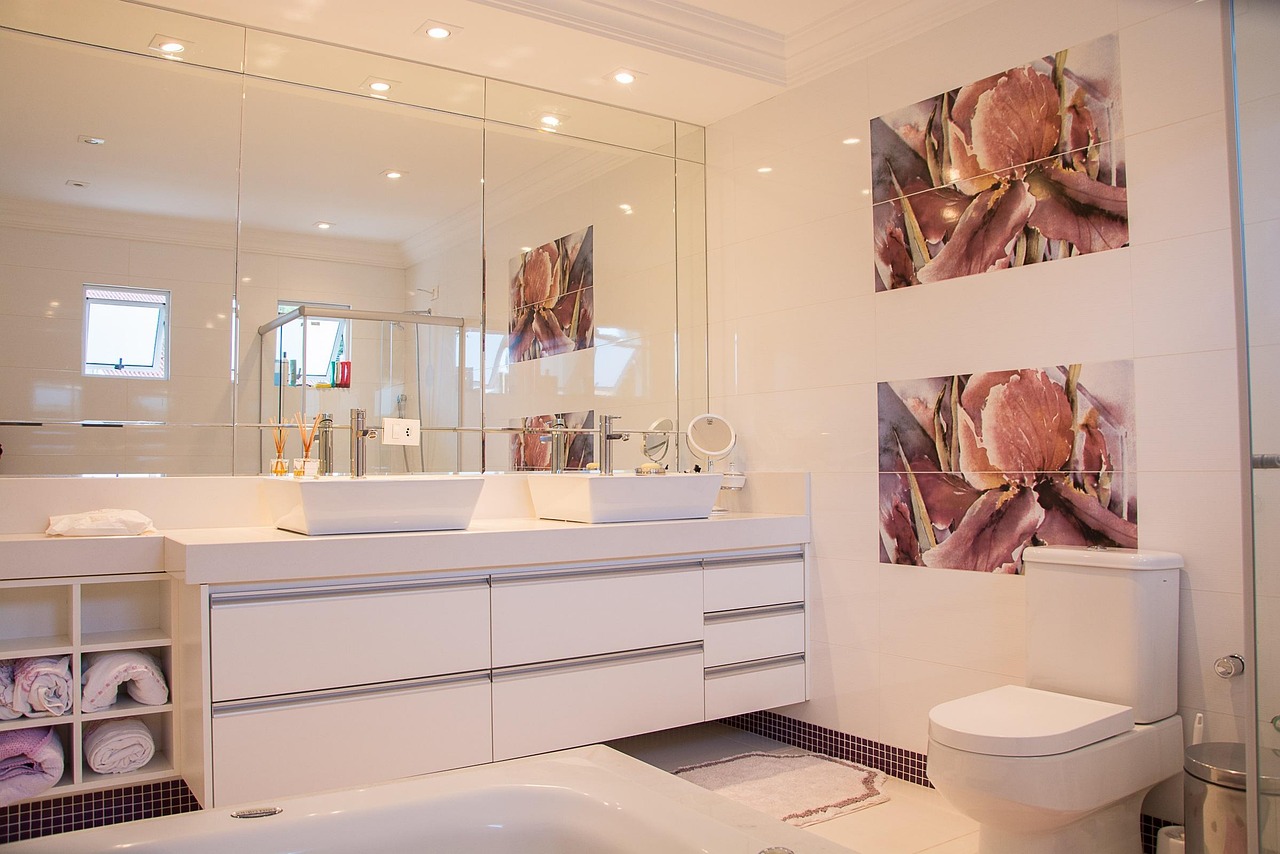
A custom vanity maximizes storage and fits your exact dimensions and style. You can choose materials like plywood with marine-grade finishes for moisture resistance, or solid wood with sealed joins for durability. Layout choices include integrated sinks, double vanities, and pull-out organizers to improve daily usability.
Measure clearances for drawers and doors, and plan for plumbing location and electrical outlets for under-cabinet lighting or built-in charging. Request detailed shop drawings and a finish sample before fabrication. Insist on soft-close hardware and waterproof countertop seams to reduce future repairs.
Factors to Consider When Renovating Your Bathroom
Plan for realistic costs, choose durable materials and fixtures that match your daily routines, and build a timeline that accounts for permit reviews, demo, plumbing/electrical work, and final finishes.
Budget Planning and Cost Estimates
Start by listing must-haves versus nice-to-haves and assign a dollar amount to each item. Include line items for demolition, labor, plumbing, electrical, fixtures, tile, countertops, permits, and a 10–20% contingency for unexpected issues like water damage.
Get at least three written estimates from licensed contractors and compare scope, warranty, and payment schedule—not just the bottom-line price. For DIY tasks, calculate tool rental and time cost; for professional work, expect labor to be 30–50% of total cost in many markets.
Use unit pricing for major items (toilet, vanity, shower enclosure) to lock in budget decisions early. Factor financing costs if you’ll use a loan or credit; add sales tax and disposal fees. Update the budget at each contract change order.
Material and Fixture Selection
Choose materials based on moisture resistance, durability, and maintenance needs. Porcelain or ceramic tile works well for floors and showers; waterproof backer board and moisture-rated paint prevent mold in wet zones.
Select fixtures with certified performance: look for WaterSense toilets and high-efficiency showerheads to reduce long-term utility bills. Match drain locations and plumbing rough-ins to avoid costly rework if you’re keeping the current layout.
Prioritize hardware finishes and surfaces that hide water spots and resist corrosion, such as brushed nickel or matte finishes. Sample materials in your bathroom’s lighting before buying to confirm color and texture under real conditions.
Project Timeline Management
Build a timeline that sequences permit approval, demo, rough plumbing/electrical, inspections, drywall, tile, and finish installations. Expect 4–8 weeks for a mid-size full remodel; larger projects or layout changes often take 8–12+ weeks.
Block specific windows for critical-path tasks—tile installation and grout curing, for example—and plan alternate bathroom access if the room will be unusable. Confirm contractor availability and subcontractor schedules before signing contracts to avoid multi-week gaps.
Schedule inspections early and factor potential permit revisions into the timeline. Communicate weekly with your contractor and get milestone dates in writing to track progress and avoid costly delays.