Thinking about a bathroom renovation Etobicoke? You can modernize your space without overpaying or stretching the timeline—local contractors offer condo-friendly solutions, accessible updates, and full remodels that fit Etobicoke homes. Expect clear planning, reliable tradespeople, and options like walk-in showers, tub-to-shower conversions, and efficient laundry upgrades that add real value to your property.
This article guides your planning, highlights popular features and trends in Etobicoke remodels, and helps you weigh design choices, budgets, and timelines so you make confident decisions every step of the way.
Planning Your Bathroom Renovation in Etobicoke
Decide what you need, how much you can spend, and who will do the work before ordering materials or booking trades. Prioritize functional changes first — plumbing, layout, and ventilation — then finishes and fixtures.
Setting Renovation Goals
List specific outcomes you want: add a walk-in shower, convert tub-to-shower, increase storage, or create an accessible layout. Measure your existing bathroom and note structural limits like load-bearing walls, window locations, and main plumbing stacks to avoid plans that aren’t feasible.
Rank changes by impact and disruption. Major items (moving drains, new shower pans, electrical upgrades) require permits and more time. Cosmetic updates (tile, vanity, paint) are quicker and cheaper. Include desired brands, finish styles, and fixture dimensions so designs and quotes reflect exact goals.
Establishing a Budget
Start with a target total and break it into categories: labour (40–55%), plumbing/electrical (10–20%), materials/fixtures (20–35%), contingencies (10–15%). Use actual price points from Etobicoke suppliers when possible — for example, mid-range vanities often run in the $800–$2,000 range; tile costs vary widely by material.
Add a contingency of at least 10–15% for hidden issues like water damage or outdated wiring. Decide which items you’ll upgrade versus where you’ll save: keep existing layout to reduce labour, or invest in waterproofing and ventilation to protect long-term value. Track all estimates in a simple table or spreadsheet to compare contractor bids.
Choosing a Trusted Contractor
Verify licence and insurance — confirm WSIB coverage for workers and ask for proof of liability insurance. Request at least three local Etobicoke references and view recent project photos or a portfolio that shows work similar to your scope (condo vs. house, full gut vs. partial).
Ask for an itemized written quote with timelines, payment schedule, and permit responsibilities. Confirm who manages subtrades and cleanup. Use these interview questions: “How will you handle unforeseen issues?”, “Who will be my on-site contact?”, and “Can you provide a copy of the permit application?” Check online reviews and the Better Business Bureau for complaints before signing a contract.
Key Features and Trends in Etobicoke Bathroom Remodels
Expect practical space planning, durable material choices suited to Toronto’s climate, and fixtures that balance style with water and energy savings. These trends emphasize usable storage, moisture-resistant finishes, and selections that increase home resale value.
Modern Layout and Design Ideas
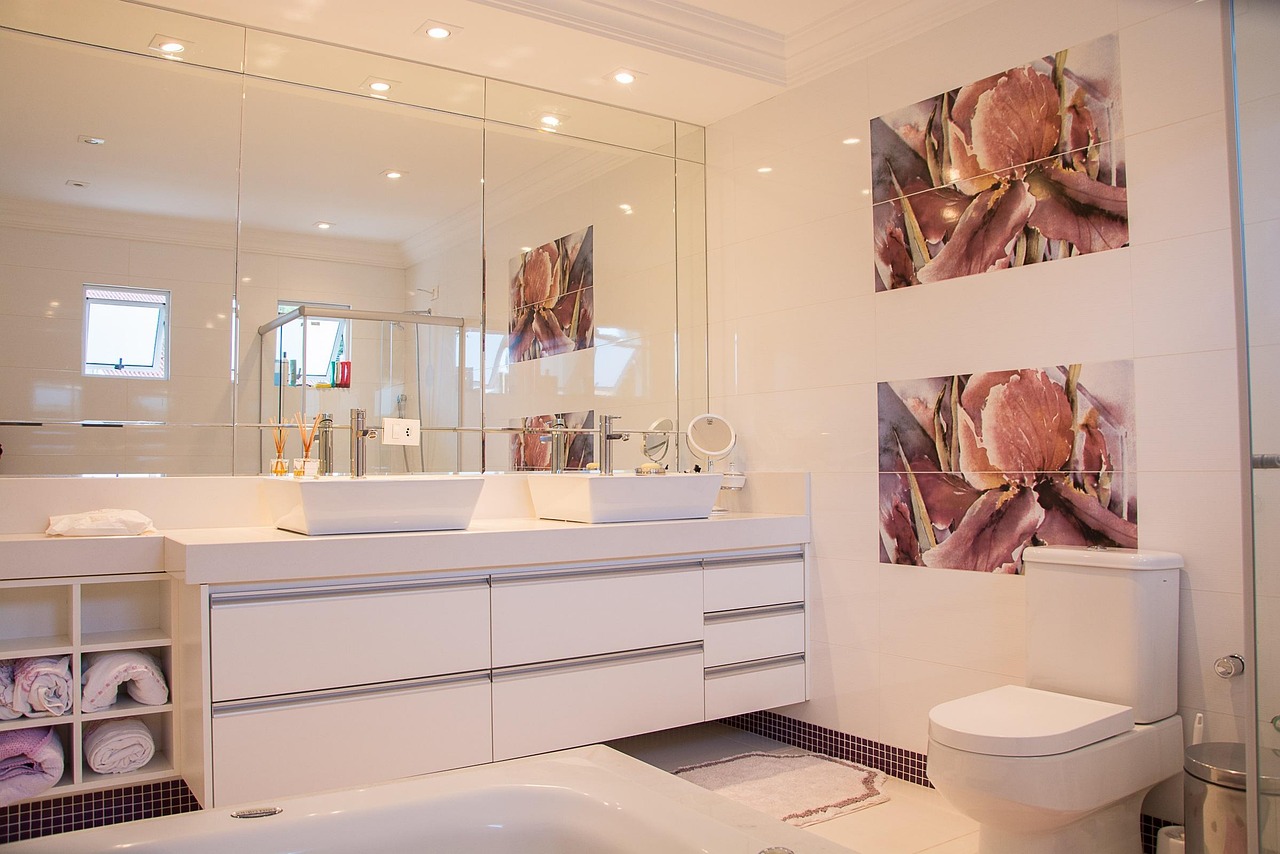
You should prioritize layouts that maximize usable floor area in narrow Etobicoke bathrooms. Common approaches include shifting the tub to a corner, installing a walk-in shower with frameless glass, and using a floating vanity to create visual space and easier floor cleaning.
Open shower curbs or linear drains help accessibility and give a contemporary look. Consider pocket doors or barn-style sliders to save swing-room in smaller suites. Lighting matters: layered lighting (recessed downlights, LED vanity illumination, and a dimmable main fixture) improves task performance and atmosphere.
Plan circulation so fixtures don’t impede doors or drawers. Place the toilet in a semi-private niche when possible. Use large-format tiles or continuous flooring to reduce grout lines and make the room read larger.
Popular Fixtures and Materials
Choose porcelain or glazed ceramic tiles for floors and walls for frost resistance and easy maintenance in Etobicoke’s climate. For countertops, quartz resists staining and humidity better than natural stone unless sealed regularly. Oak or maple veneers with water-resistant finishes work well for vanities.
Fixtures trending now include wall-mounted toilets, pressure-balanced thermostatic shower valves, and low-profile freestanding tubs. Hardware finishes like matte black, brushed nickel, and warm brass are popular; pick one finish family to keep the look cohesive.
Use tempered glass for shower enclosures and ceramic or composite sinks for durability. For grout, epoxy formulations reduce staining and mold growth in humid bathrooms. List of recommended choices:
- Flooring: large-format porcelain, luxury vinyl plank (waterproof)
- Counter: quartz or solid surface
- Shower: frameless tempered glass, thermostatic valve
- Vanity: engineered wood with moisture seal
Incorporating Energy Efficiency
You can reduce utility costs by specifying low-flow fixtures and efficient water heaters suitable for Canadian winters. Install EPA WaterSense-rated faucets and showerheads (1.5–2.0 GPM) and dual-flush or low-flow toilets to cut water use without sacrificing performance.
Upgrade lighting to integrated LED fixtures and use task lighting with dimmers to lower energy draw. Consider a point-of-use electric tankless water heater for distant bathrooms to reduce heat loss from long pipe runs.
Improve ventilation with a high-efficiency, quiet exhaust fan that includes a humidity sensor to prevent mold and lower heating load over time. Add insulation around exterior plumbing walls and use low-emissivity windows or insulated skylights if adding natural light.