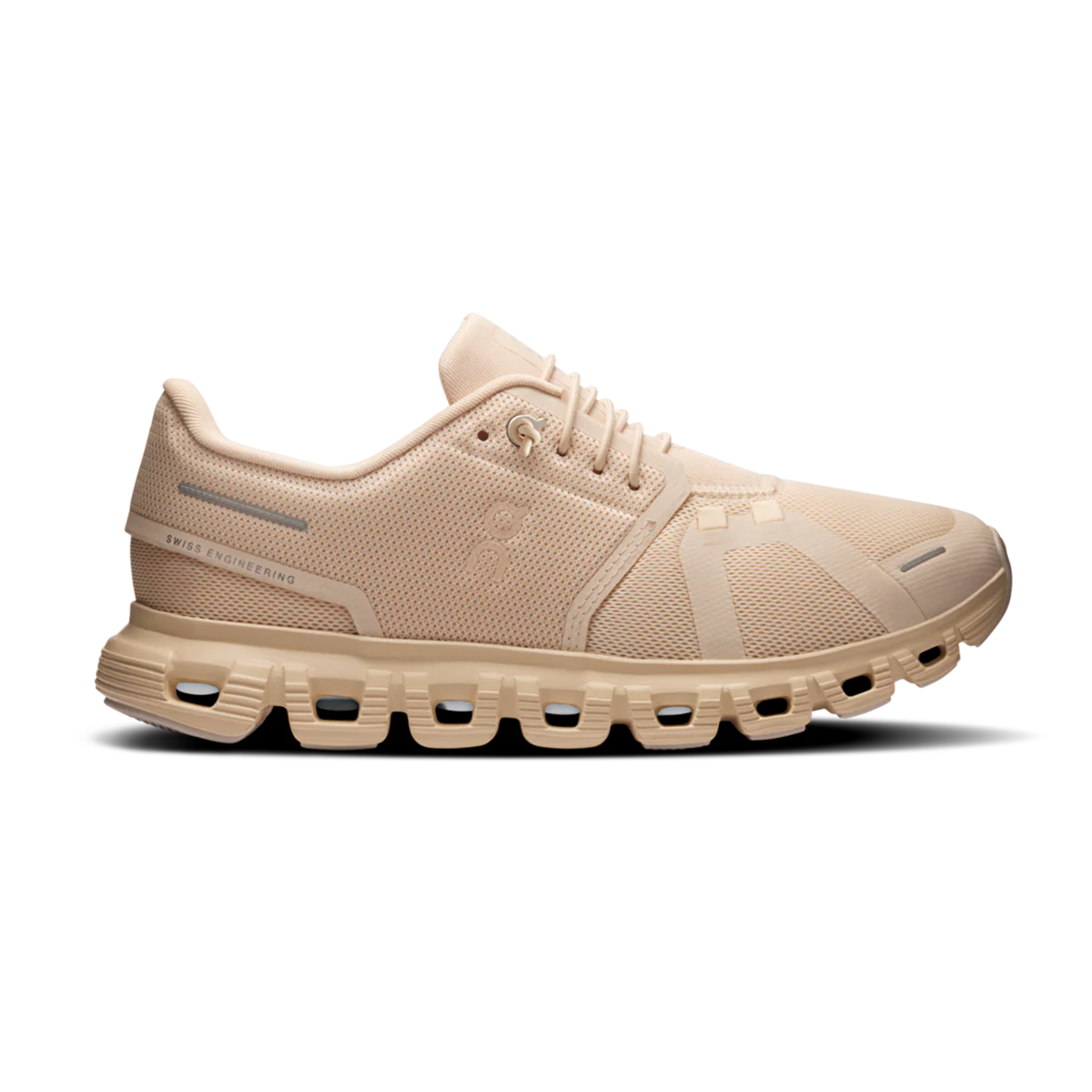
I’ll be honest: the first time I saw a pair of on cloud shoes, I thought they were a gimmick. You know the look—those weird, hollow pods on the sole, like someone took a cheese grater to a running sneaker. My buddy Mark bought a pair back in 2019, and he wouldn’t shut up about them. “Just try them,” he kept saying. I didn’t. Fast forward to last spring, when my knees started screaming at me after my daily three-mile loop around the park. I caved. I bought a pair of the Cloudswifts. And now? I get it.
But let’s not turn this into a fan club meeting. There are things I love about on clouds, and a couple of things that still annoy me. If you’re hunting for an honest, no-marketing-fluff breakdown, you just found it.
The “Holes” Aren’t Just for Show (Seriously)
Here’s what nobody explains well: the reason those cutouts exist isn’t just to look cool on Instagram. The Swiss engineers behind this brand call it “closed channel” technology. When your foot lands, those hollow pods compress outward, absorbing horizontal forces. When you lift off, they snap back and push you forward. It feels weird for the first ten minutes—like running on tiny, firm marshmallows. Then something clicks.
I noticed it on a rainy Tuesday. The pavement was slick, my old Nikes were sliding, but the on cloud shoes gripped like they were embarrassed to lose traction. The pods flexed independently, almost like tiny suspension systems. That’s the secret. Most running shoes give you a flat slab of foam. These give you movement.
The “On Clouds” Hype vs. Your Actual Feet
Here is where I need to pump the brakes on the hype. On clouds shoes are not for everyone. If you are a heavier runner (over 200 pounds), the softer models—like the Cloudstratus—will bottom out on you. I’ve seen it happen. The pods squish so flat that you feel the hard rubber plate underneath. That hurts. Stick to the Cloudboom or Cloudflash if you’ve got some mass to you. Those have a firmer, more responsive plate.
For me at 170 pounds? They’re magic. The landing is soft without being mushy. You know that dead, sinking feeling you get from Hokas after mile four? Not here. The on clouds give you a firm roll-through. You land, you roll, you push. It feels efficient. Lazy runners might hate them because they demand a bit of forward lean. But if you have decent form, your shins will thank you.
Breaking Down “On Cloud” for Daily Life (Not Just Running)
Here is the part the magazines get wrong. Most people buying on Clouds sneakers aren’t running marathons. They’re walking their dogs, standing on concrete for eight hours in a hospital, or chasing toddlers through airports. So let’s talk about that.
I wore my pair for a twelve-hour Disney World death march last October. Twelve miles. By hour eight, my girlfriend’s feet were blistered inside her Nikes. My feet? Warm, but not sore. The magic here is the “speedboard”—that thin plastic plate between the pods and your insole. It acts like a rocker. It literally encourages your foot to roll forward, which takes pressure off your heel and the ball of your foot.
Three quick real-world observations about on cloud for daily wear:
- The noise: They squeak on wet tile. Like, cartoonishly loud. Be warned.
- The cleaning: Those pods trap small rocks. You will look like a crazy person picking pebbles out of your soles in the grocery store parking lot.
- The style: They look weird with boot-cut jeans. Slim pants or shorts only. You’re welcome.
The Ugly Truth Nobody Tells You About On Cloud Shoes
Durability. Let’s have that conversation. The on cloud use a foam called Zero-Gravity. It’s lightweight—almost obnoxiously light. My size 10 weighs less than a can of soup. But lightweight foam wears down faster than dense EVA. If you run on roads every day, expect to replace these at 250-300 miles. Compare that to 400-500 on a pair of Brooks. That’s a real cost.
Also, the traction on wet metal? Dangerous. I stepped on a wet manhole cover last winter and nearly performed an unscheduled split. The pods are great on pavement or dirt, but slick metal or glossy indoor floors turn them into roller skates.
How to Pick Your First Pair Without Wasting $160
You have options. Don’t just buy the cheapest pair. Here is the cheat sheet:
For running (road, 3-6 miles): Cloudswift or Cloudflyer. Good balance of cushion and response.
For standing all day (nurse, teacher, retail): Cloudrock (the waterproof ones) or Cloudtrap. More support, less bounce.
For casual walking (errands, travel): Cloud 5 (the pull-on ones with no laces). Ugly? Debatable. Convenient? Absolutely.
Stay away from the Cloud X for long distances. Those are for gym workouts—cross-training, box jumps, lateral moves. They have less cushion. Your heels will hate you after mile five.
The Final Verdict After 400 Miles
Would I buy another pair? Yes. But I’m also not throwing away my Asics. Here is the honest breakdown of on cloud shoes: they are a specialized tool, not a universal miracle. They excel at one thing—giving you a firm, rolling, energy-efficient stride on dry pavement or light trails. They fail at wet metal, deep mud, and lasting as long as a traditional trainer.
If you have high arches or a neutral gait, you will probably love them. If you overpronate (your ankles roll inward), skip these and go get a stability shoe from Saucony. Flat feet and on clouds do not mix well without an aftermarket insole.
So, are they worth the price? For the right foot and the right use case—absolutely. For everyone else? They’re a very expensive fashion statement that happens to squeak. Try before you buy. And for the love of your ankles, watch out for that wet manhole cover.