
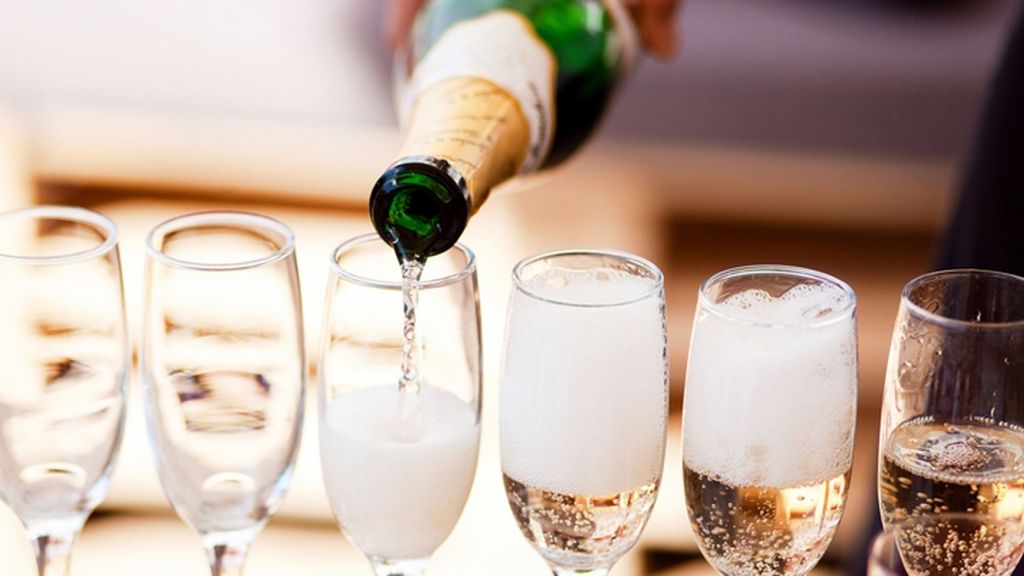
Celebratory drinks without alcohol have become increasingly popular. From weddings to parties and even casual gatherings, more people are looking for festive beverages that don’t include alcohol but still feel special.
This growing demand has led to two common options: non-alcoholic champagne and sparkling juice. While they may look similar in a glass, they are quite different in ingredients, production methods, taste, and purpose. Understanding these differences helps consumers make better choices depending on the occasion and personal preference.
One of the most frequently searched terms in this category is zero alcohol champagne alternative, reflecting the rising interest in alcohol-free celebratory drinks.
What Is Non-Alcoholic Champagne?
Non-alcoholic champagne is designed to mimic traditional champagne but without the alcohol content. It is usually made from real wine that has gone through the fermentation process and then had the alcohol removed. This is typically done using methods like vacuum distillation or reverse osmosis, which carefully extract alcohol while attempting to preserve aroma and flavor compounds.
Because it starts as wine, non-alcoholic champagne often retains more complexity than juice-based drinks. It can have subtle notes of yeast, fruit, and acidity that resemble sparkling wine. However, it is important to note that even after dealcoholization, trace amounts of alcohol (usually below 0.5%) may remain depending on regulations.
Many people choose it as a zero alcohol champagne alternative because it closely resembles the experience of drinking traditional champagne, especially in formal or celebratory settings where presentation and tradition matter.
What Is Sparkling Juice?
Sparkling juice, on the other hand, is a non-fermented beverage made from fruit juice and carbonated water. It never undergoes fermentation and does not involve wine at any stage of production. Instead, it is simply juice that has been carbonated to give it bubbles.
The ingredients are typically straightforward: fruit juice concentrate, water, added sugar or natural sweeteners, and carbonation. Because of this, sparkling juice tends to be sweeter and more straightforward in flavor compared to non-alcoholic champagne.
Unlike fermented beverages, sparkling juice has no wine-like complexity. It is often designed for casual consumption and is especially popular among children, families, and people who prefer a sweeter drink.
While some people consider sparkling juice a zero alcohol champagne alternative, it does not closely replicate the taste or mouthfeel of champagne. Instead, it provides a festive feel without aiming to imitate wine.
Key Differences in Production
The most significant difference between non-alcoholic champagne and sparkling juice lies in how they are made.
Non-alcoholic champagne begins as fermented wine. Grapes are harvested, crushed, and fermented using yeast, just like traditional champagne. After fermentation, alcohol is removed while attempting to preserve the structure of the wine.
Sparkling juice, however, skips fermentation entirely. It is made directly from fruit juice and then carbonated. This means there is no alcohol production or removal process involved at any stage.
Because of this, non-alcoholic champagne is often more expensive to produce. The additional steps of fermentation and dealcoholization require specialized equipment and careful handling to maintain flavor quality.
Taste and Sensory Experience
Taste is another area where the two beverages differ significantly.
Non-alcoholic champagne tends to have a dry or semi-dry profile, with subtle acidity and faint yeasty notes. It often attempts to replicate the “bite” and complexity of traditional sparkling wine. The bubbles are usually fine and persistent, adding to the wine-like experience.
Sparkling juice, by contrast, is usually much sweeter and fruit-forward. It highlights flavors like apple, grape, peach, or berry, depending on the base juice used. The carbonation adds freshness, but the overall profile remains closer to soda than wine.
For those looking for a refined experience, a zero alcohol champagne alternative like dealcoholized sparkling wine may feel more appropriate. For casual or family-friendly settings, sparkling juice is often preferred due to its sweetness and accessibility.
Nutritional Differences
From a nutritional standpoint, sparkling juice typically contains more sugar than non-alcoholic champagne. Because it is based on fruit juice or concentrate, it often retains natural sugars and may include added sweeteners.
Non-alcoholic champagne usually contains fewer calories and less sugar, especially if it is made from dry wine bases. However, exact nutritional values can vary widely depending on brand and production method.
People who are monitoring sugar intake or calories may lean toward non-alcoholic champagne as a zero alcohol champagne alternative, while those seeking a sweet treat may prefer sparkling juice.
Occasions and Use Cases
Both drinks are used in celebratory contexts, but they often serve slightly different roles.
Non-alcoholic champagne is commonly used in formal events such as weddings, corporate celebrations, baby showers, and New Year’s Eve parties. It is chosen when people want the symbolism of champagne without alcohol consumption. Toasting with a flute of bubbles still feels elegant and traditional.
Sparkling juice is more commonly found in casual gatherings, children’s parties, family celebrations, and brunches. Its sweet flavor and familiar fruit base make it universally appealing, especially for those who prefer simple refreshments.
In recent years, many hosts have started offering both options to accommodate different guests. This has helped the demand for zero alcohol champagne alternative products grow significantly in mainstream markets.
Labeling and Marketing Confusion
One of the biggest sources of confusion is how these drinks are labeled and marketed. Terms like “non-alcoholic champagne,” “sparkling wine alternative,” and “sparkling juice” are sometimes used loosely, even though they refer to very different products.
In many regions, the term “champagne” is legally protected and can only be used for sparkling wine from specific regions. As a result, many producers use phrases like “sparkling beverage” or “alcohol-free sparkling wine” instead.
This is where consumers need to be careful. A bottle labeled as a champagne alternative may either be a dealcoholized wine or simply flavored sparkling juice, depending on the brand.
Which One Should You Choose?
The choice between non-alcoholic champagne and sparkling juice depends on the occasion, taste preference, and expectations.
If you want something that closely resembles traditional champagne in appearance and complexity, non-alcoholic champagne is the better option. It offers a more sophisticated drinking experience and is suitable for formal celebrations.
If you prefer something sweet, fruity, and easy to enjoy for all ages, sparkling juice is the ideal choice. It is more affordable and widely available.
Both serve their purpose, and neither is objectively better than the other. The best choice depends on what kind of experience you want to create.
Conclusion
Although non-alcoholic champagne and sparkling juice may look similar at first glance, they are fundamentally different beverages. One is crafted from fermented wine with alcohol removed, while the other is simply carbonated fruit juice. Their taste, production methods, nutritional content, and intended use all vary significantly.
As interest in alcohol-free celebrations continues to grow, the demand for a reliable zero alcohol champagne alternative is likely to increase even further. Whether you choose the refined elegance of dealcoholized sparkling wine or the sweet simplicity of sparkling juice, both options offer a festive way to celebrate without alcohol.