
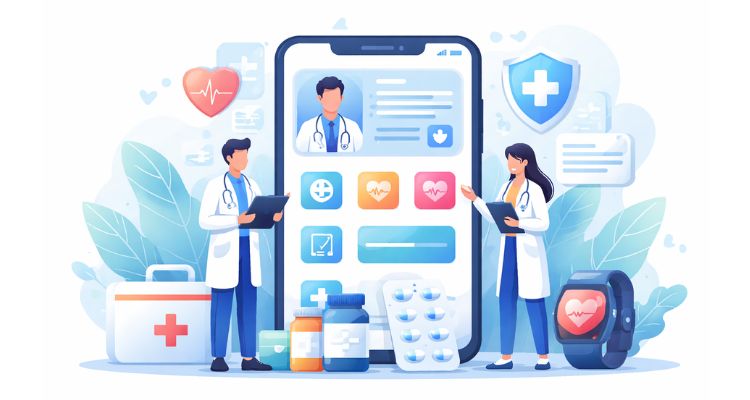
Telemedicine apps have become a vital part of modern healthcare, enabling patients to connect with doctors remotely and access medical services from the comfort of their homes. The demand for telemedicine solutions has grown rapidly, especially after the global shift toward digital healthcare. Behind these powerful platforms are skilled healthcare developers who design, build, and maintain secure and user-friendly applications tailored to the needs of patients and medical professionals.
Understanding Telemedicine App Requirements
The development of a telemedicine app begins with a clear understanding of requirements. Healthcare developers work closely with stakeholders, including hospitals, clinics, and healthcare startups, to define the app’s purpose and target audience. Whether it’s for virtual consultations, remote patient monitoring, or prescription management, every feature is carefully planned.
At this stage, developers also consider compliance with healthcare regulations such as HIPAA or other regional standards. Ensuring data privacy and security is a top priority, as telemedicine apps handle sensitive patient information.
Designing a User-Friendly Interface
User experience plays a crucial role in the success of telemedicine apps. Healthcare developers focus on creating intuitive and easy-to-navigate interfaces for both patients and doctors. The design process includes wireframing, prototyping, and testing to ensure that users can quickly access features like appointment booking, video consultations, and medical records.
A well-designed interface reduces friction and enhances user satisfaction. For instance, elderly patients or those with limited technical knowledge should be able to use the app without difficulty. This makes simplicity and accessibility key priorities during the design phase.
Choosing the Right Technology Stack
Selecting the appropriate technology stack is essential for building a robust telemedicine app. Developers choose programming languages, frameworks, and tools based on the app’s requirements and scalability needs. Common technologies include React Native or Flutter for cross-platform development, along with secure backend frameworks like Node.js or Django.
In addition, cloud services are often used to store and manage data efficiently. Integration with third-party APIs for video conferencing, payment gateways, and electronic health records (EHR) is also a critical part of the development process. These technologies ensure that the app performs smoothly and can handle a growing number of users.
Integrating Core Features
Telemedicine apps require a set of essential features to function effectively. Healthcare developers integrate functionalities such as user registration, appointment scheduling, real-time chat, video consultations, and e-prescriptions. Advanced features like AI-powered symptom checkers and wearable device integration are also becoming popular.
Security features, including data encryption, secure login, and multi-factor authentication, are implemented to protect patient data. Developers also ensure that the app maintains high performance, even during peak usage times.
Building Customized Healthcare Solutions
To meet the unique needs of healthcare providers, developers often rely on custom healthcare software development services. These services allow businesses to create tailored telemedicine apps that align with their specific workflows and objectives. Custom solutions provide flexibility, enabling the integration of specialized features such as remote diagnostics, personalized treatment plans, and advanced analytics.
By focusing on customization, healthcare developers ensure that the app delivers maximum value to both patients and providers. This approach also helps businesses stand out in a competitive market by offering unique and innovative solutions.
Ensuring Compliance and Security
Compliance with healthcare regulations is a critical aspect of telemedicine app development. Developers implement strict security measures to safeguard patient information and maintain trust. This includes secure data storage, encrypted communication channels, and regular security audits.
In addition, apps must comply with legal standards such as HIPAA in the United States or GDPR in Europe. Healthcare developers stay updated with these regulations to ensure that the app meets all necessary requirements and avoids legal complications.
Testing and Quality Assurance
Before launching a telemedicine app, thorough testing is conducted to ensure its reliability and performance. Developers perform various types of testing, including functional testing, usability testing, and security testing. These tests help identify and fix any bugs or issues that could affect user experience.
Quality assurance is an ongoing process, as developers continuously monitor the app’s performance and make improvements based on user feedback. This ensures that the app remains efficient and up-to-date with evolving user needs.
Deployment and Maintenance
Once the app is fully tested, it is deployed on platforms such as iOS and Android. Healthcare developers handle the submission process to app stores and ensure that the app meets all guidelines. After deployment, regular maintenance is essential to keep the app running smoothly.
Updates are released to add new features, improve performance, and address security vulnerabilities. Continuous support ensures that the app adapts to changing technologies and user expectations over time.
The Future of Telemedicine Apps
The future of telemedicine apps looks promising, with advancements in technology driving innovation. Artificial intelligence, machine learning, and the Internet of Things (IoT) are expected to play a significant role in enhancing telemedicine solutions. Features like predictive analytics, remote monitoring, and automated diagnosis will further improve patient care.
Healthcare developers will continue to explore new possibilities, making telemedicine apps more efficient, accessible, and personalized. As the demand for digital healthcare grows, these apps will become an integral part of the global healthcare system.
Conclusion
Telemedicine apps are transforming the way healthcare services are delivered, making them more accessible and convenient for patients worldwide. Healthcare developers play a crucial role in building these applications, from planning and design to deployment and maintenance. By leveraging advanced technologies and focusing on user needs, they create solutions that improve patient outcomes and streamline healthcare processes.
As technology continues to evolve, telemedicine apps will become even more sophisticated, offering new opportunities for innovation in the healthcare industry. Businesses that invest in high-quality telemedicine app development will be well-positioned to lead in this rapidly growing digital landscape.