
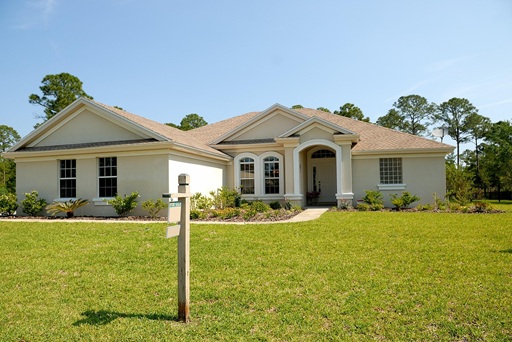
You need a clear, realistic sense of what your home is worth before you list, refinance, or plan renovations. A reliable home evaluation combines recent local sales, property condition, and market trends to give you a practical value you can act on.
This article shows how home evaluations work, what data professionals use, and simple steps you can take to get an accurate estimate—whether you try an online tool, request a free local agent CMA, or hire an appraiser. Expect straightforward guidance that helps you compare options and choose the evaluation method that fits your timeline, budget, and goals.
Understanding Home Evaluations
A home evaluation tells you how much your property is likely to sell for, which repairs or upgrades move the needle, and which local sales set the price benchmark. You’ll learn what different evaluation types do and which property details most directly affect market value.
Definition and Purpose
A home evaluation estimates your property’s current market value using comparable sales, condition, and local trends. You can get one from a licensed appraiser, a real estate agent (CMA), or an automated valuation model (AVM).
Use an appraisal for mortgage, refinance, or legal matters because lenders and courts rely on licensed appraisers’ standardized reports. Use a CMA when setting a listing price or planning marketing; agents combine recent sales, active listings, and neighborhood knowledge. AVMs give quick, rough numbers for initial planning but lack on-site inspection and may miss upgrades or damage.
Types of Home Evaluations
Appraisal: Performed by a licensed appraiser who inspects the property, documents measurements and condition, and uses sales, income, or cost approaches. Results carry legal and lender weight.
Comparative Market Analysis (CMA): Prepared by an agent using recent comparable sales and market activity. It emphasizes pricing strategy and time-on-market expectations.
Automated Valuation Model (AVM): Algorithm-driven estimates from public records and listing data. Fast and free on many websites but less accurate for unique properties or recent renovations.
Choose based on purpose: lender or legal needs require appraisals; pricing and sales strategy benefit most from a CMA; quick checks use AVMs.
Key Factors Affecting Home Value
Location remains the primary driver: school districts, walkability, and proximity to transit or employment affect demand.
Comparable sales (recent, similar homes nearby) set baseline price; adjust for differences in size, age, and features.
Condition and upgrades directly impact value—finished basements, modern kitchens, and new HVAC systems typically add value, while deferred maintenance reduces it.
Market conditions matter: supply, buyer demand, interest rates, and seasonal trends change achievable price.
Lot size, zoning, and future neighborhood developments can create upside or downside. Document recent renovations, square footage, and permits before an evaluation to ensure accurate adjustments.
Conducting an Effective Home Evaluation
A focused, accurate evaluation depends on preparing your property, choosing the right professionals, and understanding the report’s numbers and recommendations. Each step affects the price range, repair priorities, and negotiation leverage you’ll have.
Preparing Your Property
Clean, declutter, and complete small repairs to present the home in its best light. Patch holes, replace broken fixtures, and ensure doors and windows operate smoothly; these quick fixes often prevent minor condition issues from lowering value.
Gather documentation: recent utility bills, receipts for upgrades, permits for renovations, and an itemized list of improvements with dates and costs. Provide clear photos of hard-to-access areas like the attic, crawlspace, and roof if they’re not easily inspected.
Stage key rooms and highlight functional systems. Make sure mechanical spaces (furnace, water heater, electrical panel) are accessible and labeled. Note any unusual features or limitations—easements, shared driveways, or planned nearby construction—so the evaluator considers them.
Working With Real Estate Professionals
Choose a licensed appraiser for formal valuations and an experienced agent for market-driven comparative pricing. Appraisers follow standardized methods; agents provide local market nuance and can run comparable market analyses (CMAs) using recent MLS data.
Ask both for their methodology and recent examples of similar properties they’ve evaluated. Request a written scope of work, timeframe, and fee before booking. If you want a faster estimate, use a CMA or online valuation as a preliminary step, but rely on a licensed appraisal for financing or legal purposes.
Communicate clearly about your goals—selling price target, timeline, or renovation plans. Share the documentation you prepared and point out upgrades that increase value, such as new roofing, energy-efficient systems, or permitted additions.
Interpreting Evaluation Results
Focus first on the reported market value range, the comp properties used, and any condition-based deductions. Check each comparable’s sale date, location, size, and condition adjustments to ensure they reasonably match your property.
Separate cosmetic issues from structural or mechanical problems. Cosmetic items may be low-cost to fix and worth addressing before listing. Structural and system deficiencies require estimates from contractors to decide repair vs. price adjustment.
Use the evaluator’s notes to form negotiation strategy. If the report lists specific repairs, get two contractor quotes and include them when negotiating with buyers or lenders. If values differ between an appraiser and an agent CMA, compare chosen comps and assumptions to reconcile the gap.