If your home still uses an old fuse box or the breakers trip constantly, replacing the electrical panel can improve safety and give you the capacity for modern devices. You should hire a licensed electrician near you to inspect your system and replace the panel when it shows age, damage, or inadequate capacity.
This post Electrical Panel Replacement Near Me walks through what a panel replacement involves, how to spot signs you need one, and how to choose a reliable local pro so you can get the job done safely, to code, and with minimal disruption.
Understanding Electrical Panel Replacement
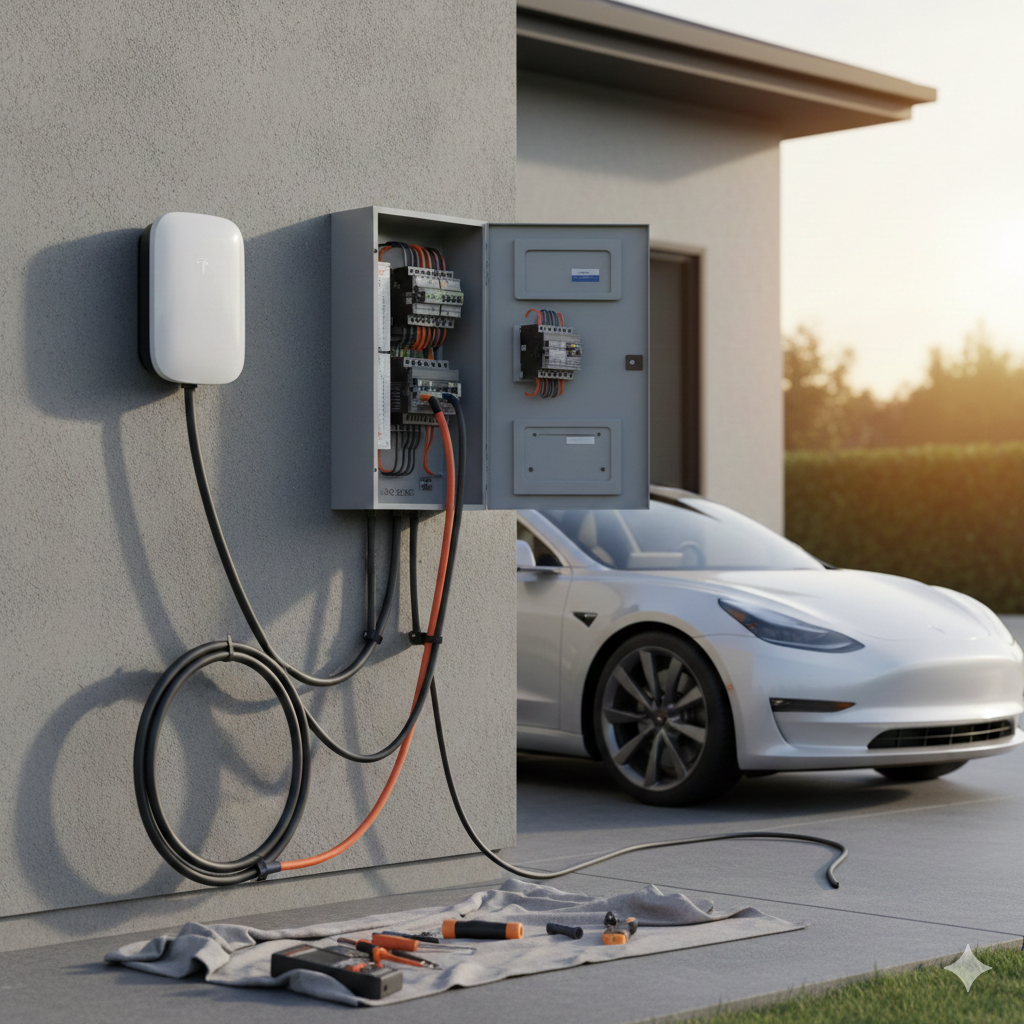
Electrical panel replacement fixes capacity limits, resolves safety hazards, and prepares your home for modern loads like EV chargers or heat pumps. It involves a licensed electrician removing the old service equipment, installing a new panel and breakers, and testing the system to meet code.
What Is Electrical Panel Replacement?
Electrical panel replacement is the process of swapping your home’s service panel (breaker box) with a new unit rated for higher capacity or modern safety features.
A typical replacement includes disconnecting power at the meter, removing the old panel, installing a new panel and properly sized breakers, transferring or upgrading branch circuits, and restoring power after inspection.
Common upgrades involve moving from 60A or 100A service to 200A, adding space for new breakers, or replacing panels with known safety defects (e.g., obsolete brands or fused panels). You should expect permits, a licensed electrician, and final testing or municipal inspection to ensure code compliance.
When to Replace Your Electrical Panel
Replace the panel if you experience frequent tripped breakers, flickering lights, or you plan to add high-demand equipment like EV chargers, heat pumps, or a hot tub.
Panels older than about 30–40 years often lack modern protections and may not safely handle today’s loads.
Also replace the panel when it contains recalled or unsafe components (burned connections, rust, aluminum wiring issues) or when an electrician identifies inadequate service size during an electrical assessment.
If you’re renovating or increasing your home’s finished square footage, a panel upgrade often becomes necessary to meet load calculations and permit requirements.
Risks of Outdated Electrical Panels
Outdated panels increase fire risk through loose connections, corroded bus bars, or overheated breakers that no longer trip reliably.
Certain legacy panels and brands have documented failure modes that can cause arcing, melting, or complete loss of service.
Insufficient capacity forces you to use space heaters or extension cords, which elevates shock and fire hazards.
Insurance companies may deny claims or raise rates if inspections reveal obsolete panels, and some municipalities require replacement during property transfers or major renovations.
Choosing the Right Electrical Panel Replacement Service Near Me
You need a contractor who combines proper licensing, clear pricing, and a proven replacement process that meets local code and safety standards. Focus on verifying credentials, comparing detailed estimates, and understanding each step from teardown to inspection.
Evaluating Local Licensed Electricians
Check that electricians hold a valid state or local electrical license and carry general liability and workers’ compensation insurance. Ask for a license number and verify it on your state’s licensing board website to confirm active status and any disciplinary history.
Review at least three local references or online reviews that mention panel work specifically. Request examples of recent panel replacements and ask about the brand and amperage of installed panels to ensure experience with the equipment you need.
Confirm the electrician’s familiarity with your utility’s metering and service disconnect rules. Get a written estimate that breaks out labor, parts, permit fees, and any required utility coordination so you can compare bids accurately.
Cost Factors for Electrical Panel Replacement
Panel replacement costs vary by panel amperage, number of circuits, and access complexity. Typical cost drivers include a 100A vs 200A panel, subpanel additions, full rewire of branch circuits, and replacement of old knob-and-tube or aluminum wiring.
Permits and local inspection fees add to the total; some utilities charge separate meter or service upgrade fees. Labor rates differ regionally and by electrician qualifications; journeyman vs master electrician billing can affect the final price.
Request itemized estimates showing: panel model and amperage, breaker count, materials (wiring, grounding, connectors), permit fees, labor hours, and disposal. Compare warranties on both parts and workmanship to assess long-term value.
Steps in the Replacement Process
A standard replacement begins with a site assessment and load calculation to confirm required amperage and circuit capacity. The electrician pulls permits and schedules any required utility disconnect before work begins.
Technicians de-energize the service, remove the old panel, install the new panel and breakers, update grounding and bonding, and reconnect circuits. If upgrading service equipment, the utility may need to swap the meter or change the service mast during the job.
After installation the electrician tests each circuit, performs insulation and continuity checks, and schedules the municipal inspection. Keep a copy of the permit, inspection report, and a label showing circuit assignments for future reference.
Ensuring Code Compliance and Safety
Require the electrician to pull permits and follow the latest National Electrical Code (NEC) and your local amendments. Confirm that all grounding, bonding, and AFCI/GFCI protection requirements are installed where code mandates.
Inspectors will check panel labeling, proper breaker sizing, torque on connections, and clear working space around the panel. Ask the contractor how they document compliance—photos, test results, and the final inspection sign-off provide proof of safe installation.
If your home has older wiring, request that the electrician identify any hazards such as aluminum conductors or degraded insulation and provide options for remediation. Prioritize contractors who supply written warranties and who will respond to follow-up safety issues.