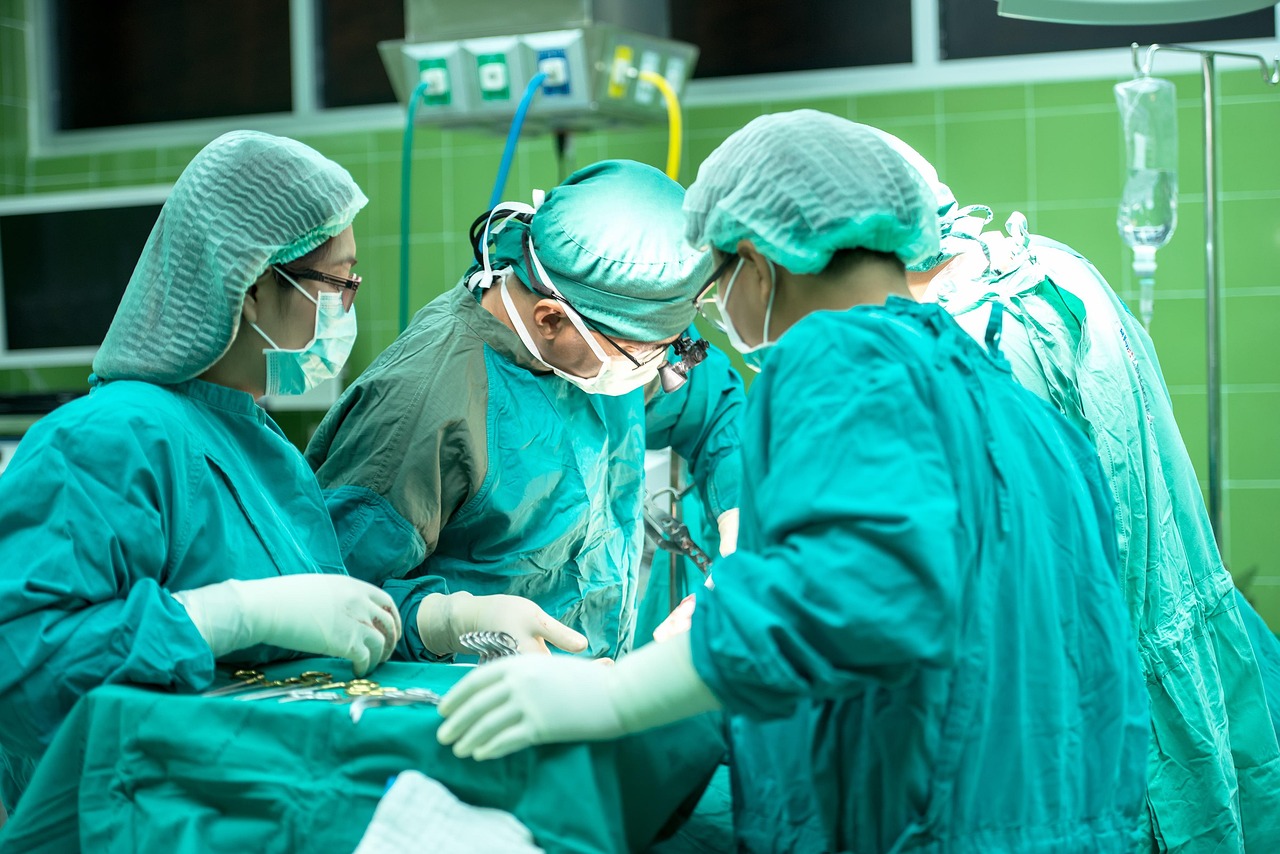
Hernia surgery in the UK is a common and highly effective medical procedure used to repair weakened areas in the abdominal wall. A hernia occurs when an internal organ or tissue pushes through a weak spot in the surrounding muscle, often causing discomfort, pain, or a visible bulge. With advancements in medical technology and experienced healthcare professionals, patients in the UK have access to safe and efficient treatment options.
Understanding Hernias
There are several types of hernias, with the most common being inguinal (groin), umbilical (around the belly button), and incisional (occurring at the site of a previous surgery). While some hernias may not cause immediate pain, they can worsen over time and lead to complications if left untreated. This is why surgery is often recommended as the best long-term solution.
Types of Hernia Surgery
In the UK, hernia surgery is typically performed using one of two main methods: open surgery or laparoscopic (keyhole) surgery.
Open surgery involves making a single incision near the hernia site. The surgeon pushes the protruding tissue back into place and reinforces the weakened area, often using a surgical mesh. This method is widely used and is especially suitable for larger or more complex hernias.
Laparoscopic surgery, on the other hand, is a minimally invasive technique. It involves several small incisions through which a camera and surgical instruments are inserted. The surgeon repairs the hernia using mesh while viewing the procedure on a monitor. This method usually results in less pain, smaller scars, and quicker recovery times.
Availability in the UK
Hernia surgery is available through both the National Health Service (NHS) and private healthcare providers in the UK. NHS treatment is generally free for residents but may involve waiting times depending on the severity of the condition. Private clinics offer faster access to surgery, shorter waiting periods, and more flexibility in choosing surgeons and appointment times.
The Procedure and Duration
Hernia surgery is usually performed under general anaesthesia, although local anaesthesia may be used in some cases. The procedure typically takes between 30 minutes to 2 hours, depending on the type and complexity of the hernia. Most patients can go home the same day, especially after laparoscopic surgery.
Recovery and Aftercare
Recovery time varies depending on the type of surgery performed. Patients who undergo laparoscopic surgery often return to normal activities within one to two weeks, while open surgery may require a slightly longer recovery period of up to four to six weeks.
During recovery, patients are advised to avoid heavy lifting, strenuous activities, and sudden movements. Light walking is encouraged to improve circulation and prevent complications. Pain and discomfort are usually mild and can be managed with prescribed medication.
Risks and Complications
Like any surgical procedure, hernia surgery carries some risks, although complications are rare. These may include infection, bleeding, recurrence of the hernia, or reactions to anaesthesia. Choosing an experienced surgeon and following post-operative instructions significantly reduces these risks.
Cost of Hernia Surgery
In private healthcare settings, the cost of hernia surgery in the UK can range from £2,000 to £6,000, depending on factors such as the type of surgery, hospital facilities, and surgeon expertise. Many private providers offer payment plans to make the procedure more accessible.
Conclusion
Hernia surgery in the UK is a safe, routine, and highly successful procedure that improves quality of life for thousands of patients each year. Whether opting for NHS treatment or private care, patients benefit from advanced surgical techniques, skilled professionals, and comprehensive aftercare. Early diagnosis and timely treatment are key to preventing complications and ensuring a smooth recovery.